The newest ’Hoos, by the numbers
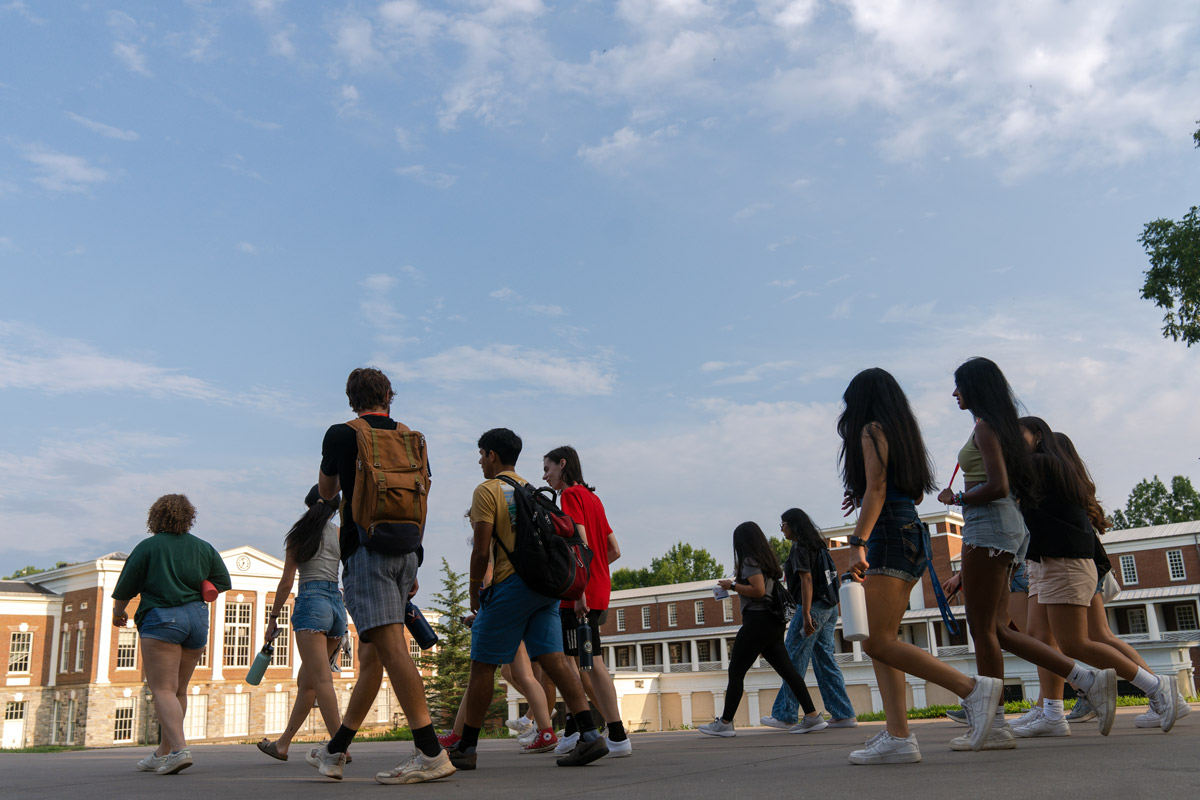
This fall, UVA welcomed 3,985 first-years to Grounds.
College admissions and enrollment have increasingly been under a microscope in recent years, across the country and on Grounds. In June 2023, a U.S. Supreme Court decision banned race-conscious college admissions. The following year, Virginia lawmakers prohibited giving preferential treatment to children of alumni.
And in the spring of 2025, the U.S. Department of Justice sent multiple letters to UVA requesting detailed admissions information, including policies and procedures; any changes since the 2023 Supreme Court decision; and applicant data, including test scores, GPA and outcomes, disaggregated by race. UVA and the DOJ announced in mid-October an agreement that suspended five investigations that remain open.
Enrolled First-Years
- Total Incoming First-Years
- 3,985
- Legacy Students
- 12.5%
- First-Generation College Students
- 19.6%
- Qualified for Pell Grants
- 20.3%
- Transfer Students
- 807
Top Schools
- College of Arts & Sciences
- 3,022
- School of Engineering and Applied Science
- 725
- School of Architecture
- 99
Top Three Countries

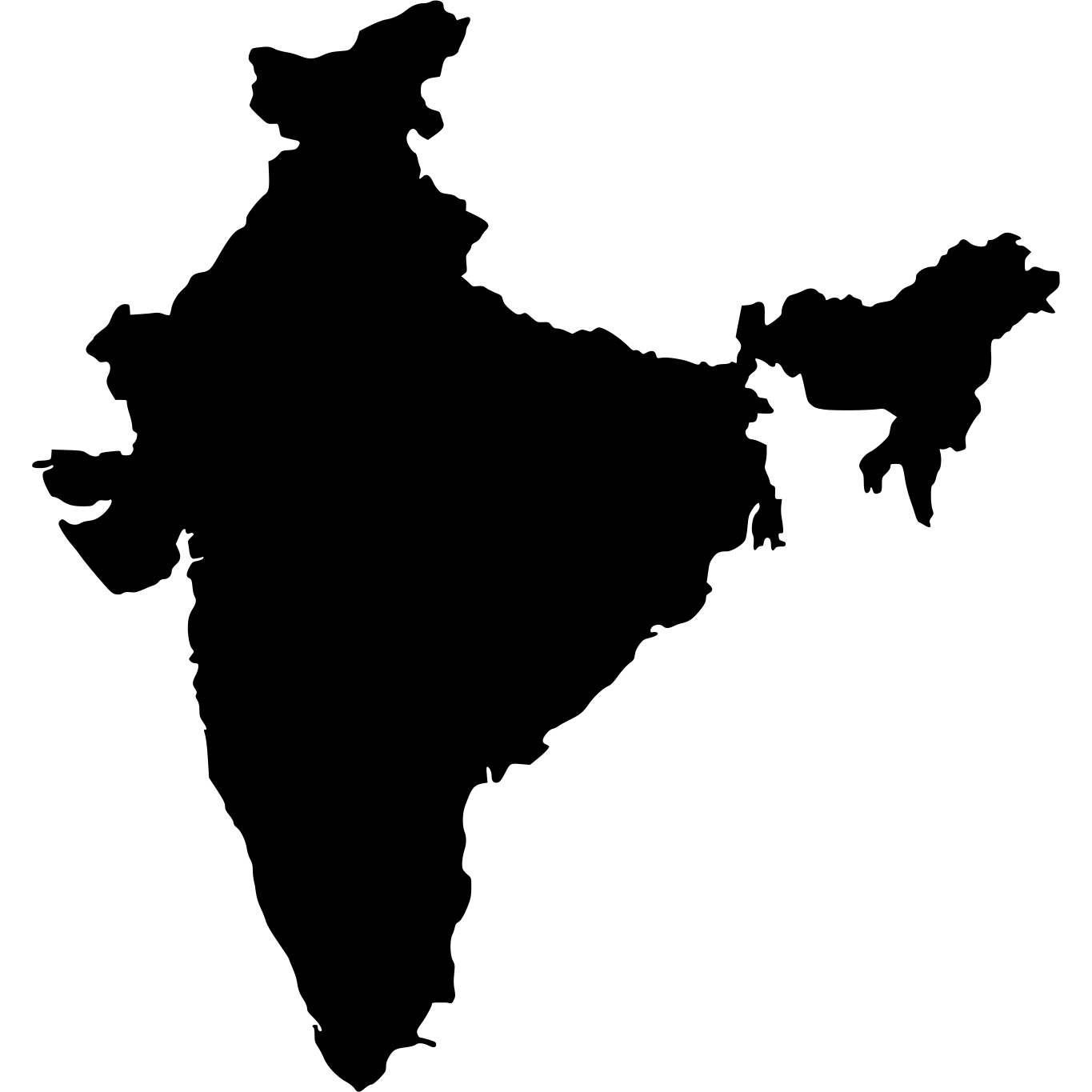

- Countries of Primary Citizenship
- 90
Source: Office of Admission
Among incoming first-years, Hispanic students of any race account for 9.1 percent, nearly identical to last year’s 9 percent. First-generation college students make up 19.6 percent this year, up from 18.8 percent last year. International students made up 5.9 percent, up from 5.5 percent last year.
The number of students who report identifying as two or more races grew from 5.7 percent in 2024 to 6.2 percent this year. The proportion of white students grew from last year’s 46.1 percent to this year’s 47.6 percent.
The proportion of Black students fell to 6 percent, down from last year’s 7.2 percent and 8.2 percent the previous year. The proportion of Asian or Asian American students also fell, from 20 percent to 19 percent. So did the number of first-years who qualify for Pell Grants, intended for low-income students, dropping from last year’s 22.4 percent to this year’s 20.3 percent.
Demographic numbers follow federal reporting guidelines, which allow a student to be identified in only one racial or ethnic group.
UVA’s 807 new transfer students are increasingly central to the story too, says Stephen Farmer (Grad class of ’86), UVA’s vice provost for enrollment. “We’re adding talent by adding transfers to the mix here.”
As the first-year offer rate drops to 16 percent this year, down from 23 percent in 2020 and 30 percent in 2016, transferring offers a second chance for students with their hearts set on UVA. Among this year’s transfer students, 33.1 percent had previously applied to UVA.
“We have a lot of really talented first-year student applicants who just miss [getting into UVA], and most of those students go away and they find another school, and they fall in love, and they’re good,” Farmer says. “But for the ones who really want to come here, it’s great that they have another chance.”