Wahoos in Office
A look at UVA alumni who are serving in our country’s highest elected offices
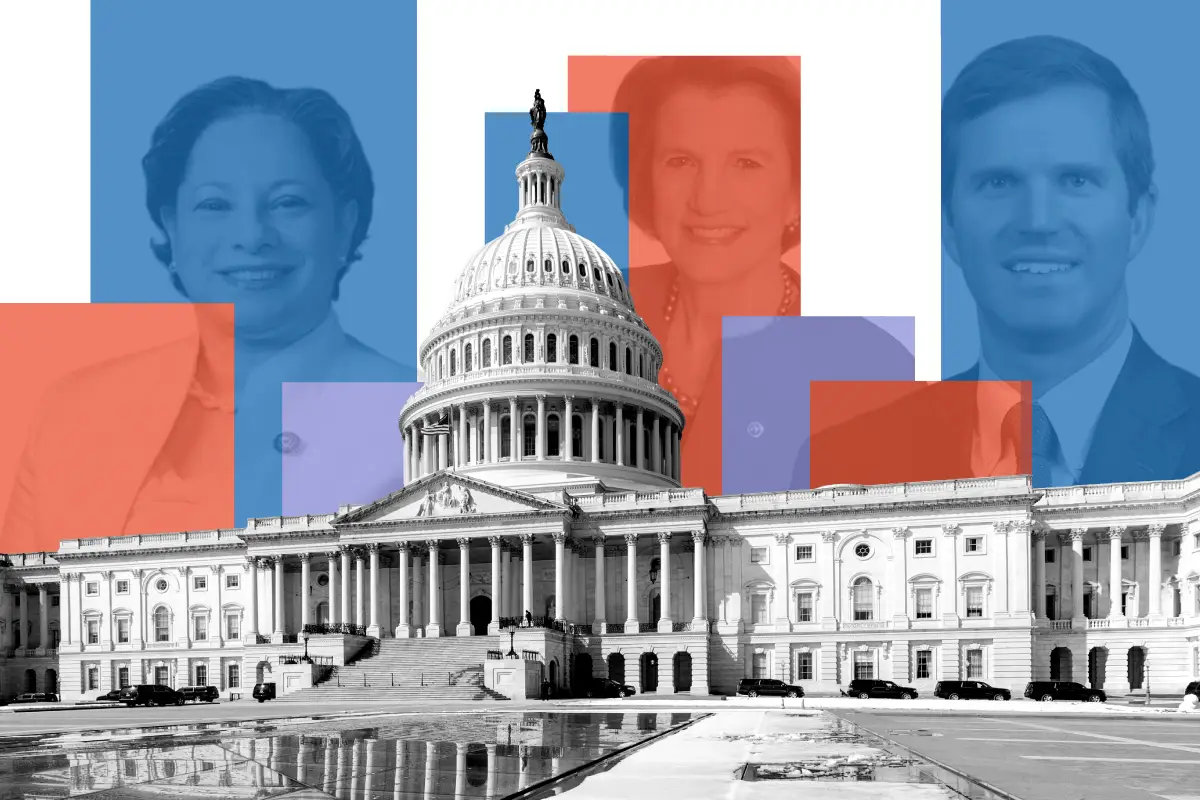
On all sides of the aisle—in governors’ mansions and in both houses of the U.S. Congress—elected officials who might not agree on much politically have at least one thing in common: a UVA degree.
Politicians are just one category of leaders turned out by UVA. For the second consecutive year, Time magazine named UVA a top-three public university for producing American leaders. The magazine’s study examined “4,800 of the most influential figures shaping U.S. society today.”
Here’s a look at at UVA alumni who are serving in our country’s highest elected offices.
U.S. House of Representatives
Greg Casar (Col class of ’11)
D-Texas
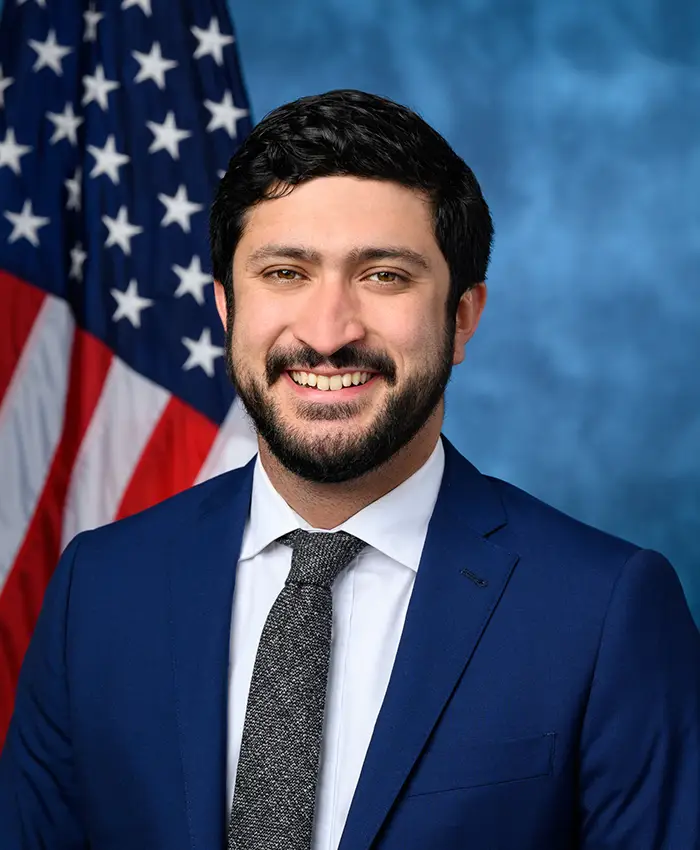
More than a decade before he was elected to the House on a pro-labor, progressive platform, Casar was part of the Living Wage Campaign and Workers and Students United at UVA, campaigning to raise UVA’s employee minimum wage from $10.14 an hour to $11.44 an hour. Today, he’s a member of “The Squad,” a left-wing faction of the U.S. House of Representatives, and represents Texas’ 35th Congressional District, which includes parts of Austin and San Antonio. He chairs the House Progressive Caucus, and he serves on the House Committee on Oversight and Government Reform as well as the House Committee on Education and Workforce. He has introduced bills regarding energy and commerce, including the Stop AI Price Gouging and Wage Fixing Act of 2025 and the Connect the Grid Act in February. Up for reelection this year, he has received the Democratic nomination in the race for the newly redrawn District 37.
Chip Roy (Com class of ’94, class of ’95)
R-Texas
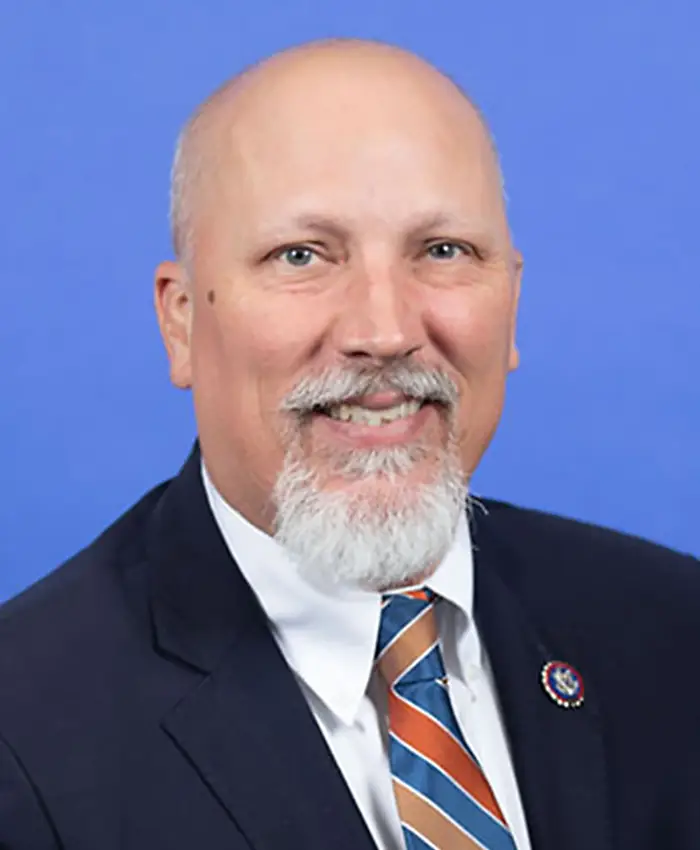
A double ’Hoo raised in Loudoun County, Virginia, Roy represents Texas Congressional District 21, which includes south Austin, north San Antonio and the Texas Hill Country. His website lists his top priorities as border security, election integrity, healthcare freedom, strengthening the military and supporting veterans. He serves on the House Judiciary, Rules and Budget committees. Policy chair of the House Freedom Caucus, he is considered one of the most conservative members of Congress. Earlier this year, he reintroduced the SAVE America Act, an election security bill that critics say could disproportionately complicate voting for certain groups, particularly women who use married names. He’s been a vocal supporter of the Trump administration’s controversial Department of Homeland Security and Immigrations and Customs Enforcement activities. Before coming to Congress, he served as chief of staff to U.S. Sen. Ted Cruz. At press time, Roy is running for Texas attorney general.
Andy Barr (Col class of ’96)
R-Kentucky
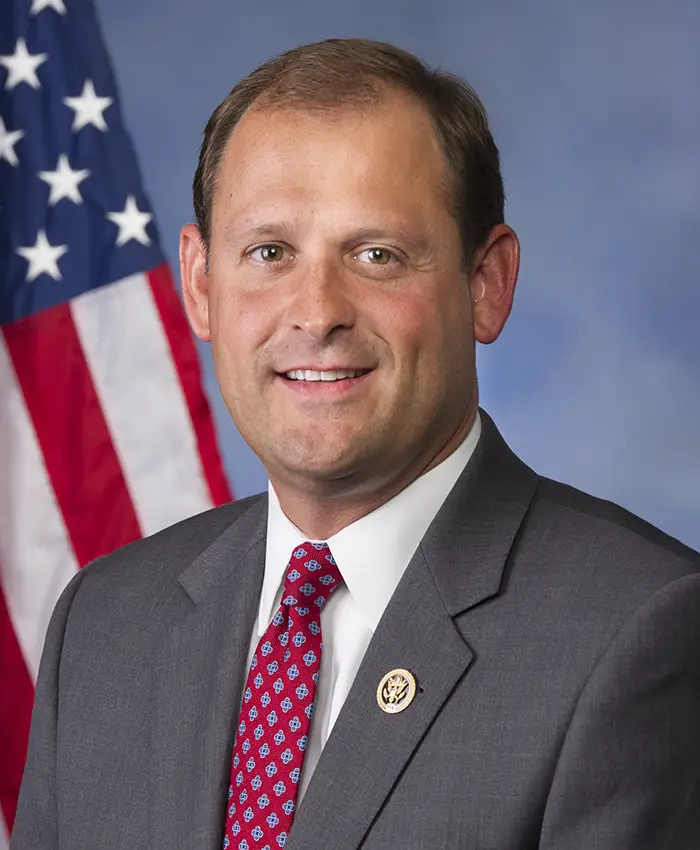
At UVA, Barr contributed to The Virginia Advocate, a conservative student newspaper. During law school at the University of Kentucky in Lexington, where his family has lived for generations, he joined the school’s Federalist Society. Today he carries those conservative ideals forward in serving Kentucky’s 6th Congressional District, which includes Lexington, Richmond and Georgetown. He has supported measures to restrict abortion access, boost Kentucky’s agriculture industry, combat the opioid epidemic, secure military funding, and decrease regulations around fossil fuel mining and production. A senior member of the House Financial Services Committee, he chairs its Financial Institutions Subcommittee. He also serves on the House Foreign Affairs Committee. At press time, he is running for U.S. Senate to succeed Mitch McConnell. During his campaign, he has billed himself as “the pro-Trump candidate,” expressing support for ICE and opposition to “diversity, equity and inclusion” initiatives.
Jennifer McClellan (Law class of ’97)
D-Virginia
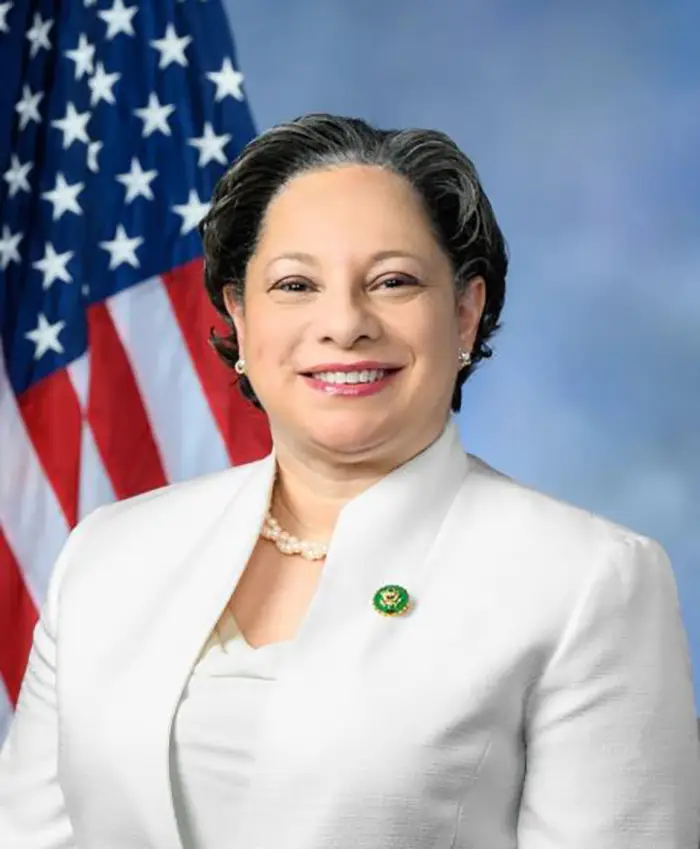
Born in Petersburg, Virginia, McClellan represents Virginia’s 4th Congressional District, which includes Richmond and Petersburg. She’s the first Black woman to represent Virginia in Congress. Prior to her victory in 2023’s 4th District special election, she was a state senator, state delegate and one-time gubernatorial candidate. According to her website, she passed over 370 pieces of legislation in the Virginia General Assembly. She serves on the House Energy and Commerce Committee. As a member of the Reproductive Freedom Caucus, she chairs the Abortion Rights and Access Task Force. A moderate Democrat, she’s part of the leadership of the New Democrat Coalition. She’s a supporter of the Equal Rights Amendment. Other priorities include protecting and expanding voting rights, combatting climate change, and supporting labor protections. In March, she sponsored the AI-Ready Networks Act, which would prompt research into “the integration of artificial intelligence into the commercial telecommunications infrastructure.”
U.S. Senate
Shelley Moore Capito (Educ class of ’76)
R-West Virginia
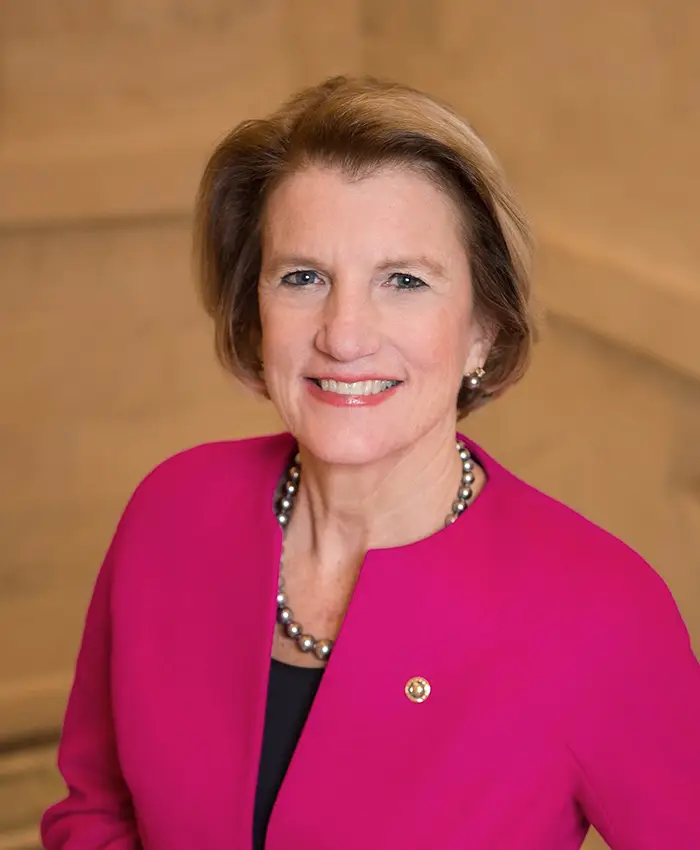
Billing herself as “West Virginia’s Conservative Champion,” Capito is a strong supporter of President Trump in a state he carried by overwhelming margins in the past three elections. The daughter of former West Virginia Gov. and U.S. Rep. Arch Moore Jr., Capito was elected to the U.S. House of Representatives in 2000 and became her state’s first female U.S. senator in 2014. She won reelection with 70 percent of the vote in 2020, the largest margin of victory by a Republican in state history, and she is seeking a third term in 2026. Capito chairs the Senate’s Environment and Public Works Committee and the Republican Policy Committee, the fourth-highest position in Senate leadership. She was named 2025 Legislator of the Year by the Addiction Policy Forum for her leadership in response to the nation’s opioid crisis, which hit particularly hard in West Virginia. She is an advocate for her state’s coal industry, and for relaxing environmental regulations she has called “burdensome.”
John Kennedy (Law class of ’77)
R-Louisiana
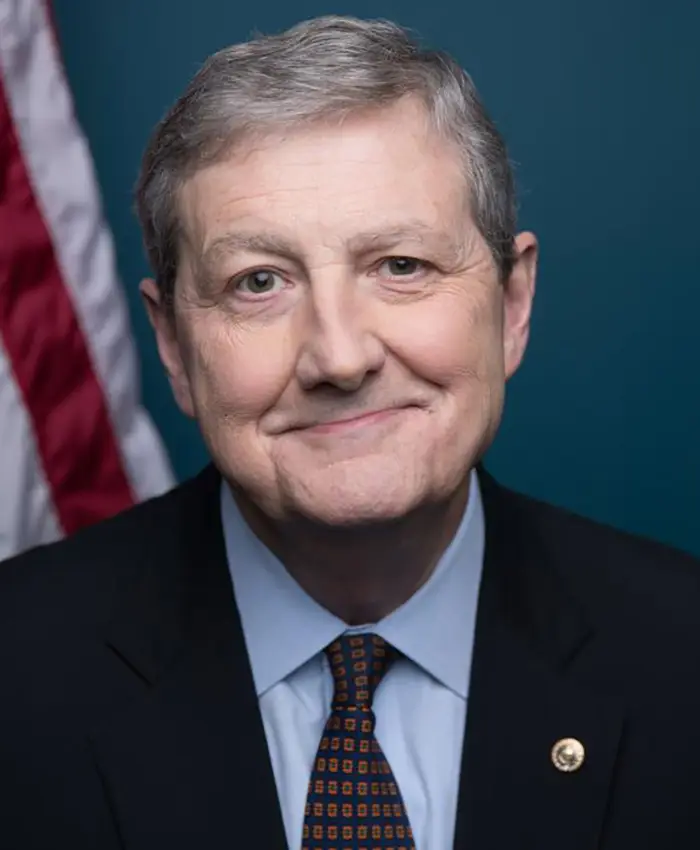
Elected in 2016 and reelected in 2022, Kennedy chairs the Senate Appropriations Subcommittee on Energy and Water Development and the Senate Banking, Housing, and Urban Affairs Subcommittee on Economic Policy. He served as executive editor of the Virginia Law Review at UVA and worked as a trial lawyer before serving five terms as treasurer of Louisiana. A self-described “dedicated watchdog of taxpayer money,” he focuses much of his legislative effort on financial regulation. He sponsored the Ending Improper Payments to Deceased People Act and the Holding Foreign Companies Accountable Act. He has also sponsored bills to extend the National Flood Insurance Program, a priority in flood-prone Louisiana. He has supported repealing the Affordable Care Act and strongly backed President Donald Trump’s One Big Beautiful Bill Act. Known for his folksy style and thick Southern drawl, Kennedy in October 2025 published a book, How to Test Negative for Stupid: And Why Washington Never Will.
John Cornyn (Law class of ’95)
R-Texas
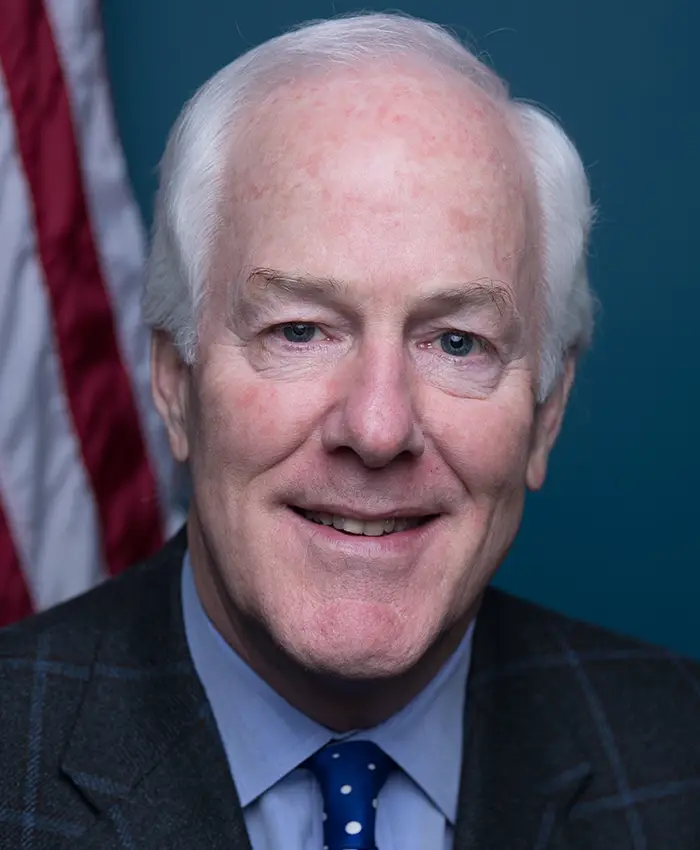
The senior senator from Texas, Cornyn was at press time engaged in a runoff with Ken Paxton for the Republican nomination for Senate. A former circuit court and Texas Supreme Court judge, Cornyn was elected in 2002 and served as majority whip from 2013 to 2019. He chairs the Judiciary Committee’s subcommittee on Border Security and Immigration and, on his campaign website, touts his record leading “the fight to restore order at the border and keep dangerous criminals out of our country.” Cornyn’s website touts that he “stands shoulder to shoulder with President Trump 99% of the time to finish the wall, crush Biden’s open-border policies, and put America First.” He supported legislation to end funding to “sanctuary cities.” A fervent defender of the Second Amendment, Cornyn holds an A+ rating from the National Rifle Association and has backed legislation that would allow concealed carry licenses in one state to apply to other states that allow it.
Angus King (Law class of ’69)
I-Maine
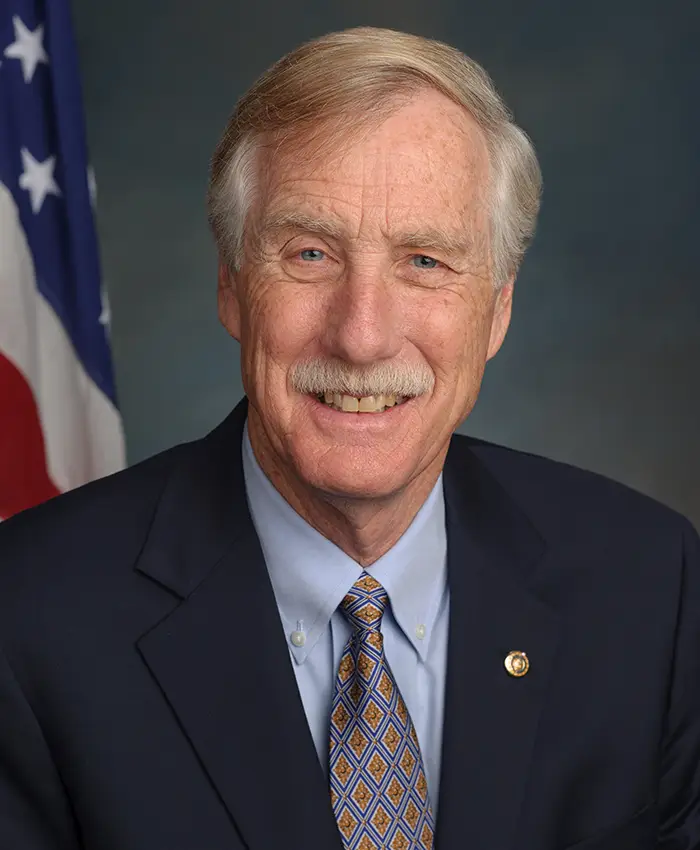
One of two independents in the Senate, King calls himself “a strong believer in the need for greater bipartisan dialogue and relationship building.” King practiced law, hosted a public affairs television show, and founded an energy conservation company before serving as governor of Maine from 1995 to 2003. Elected to the Senate in 2012, he won a third term in 2024. He caucuses with the Democratic Party and is a member of the Veterans Affairs, Armed Services, Intelligence, and Energy and Natural Resources committees. King co-chaired a commission to develop a cyber defense strategy and has authored legislation to develop ways of detecting content generated by AI. He chairs the Senate National Parks Subcommittee and pushed legislation to address a maintenance backlog on public lands. King was named 2024 Legislator of the Year by the Wounded Warrior Project. He helped draft and pass the Student Loan Certainty Act of 2013, a bipartisan bill that limited interest rates on federal student loans.
Sheldon Whitehouse (Law class of ’82)
D-Rhode Island
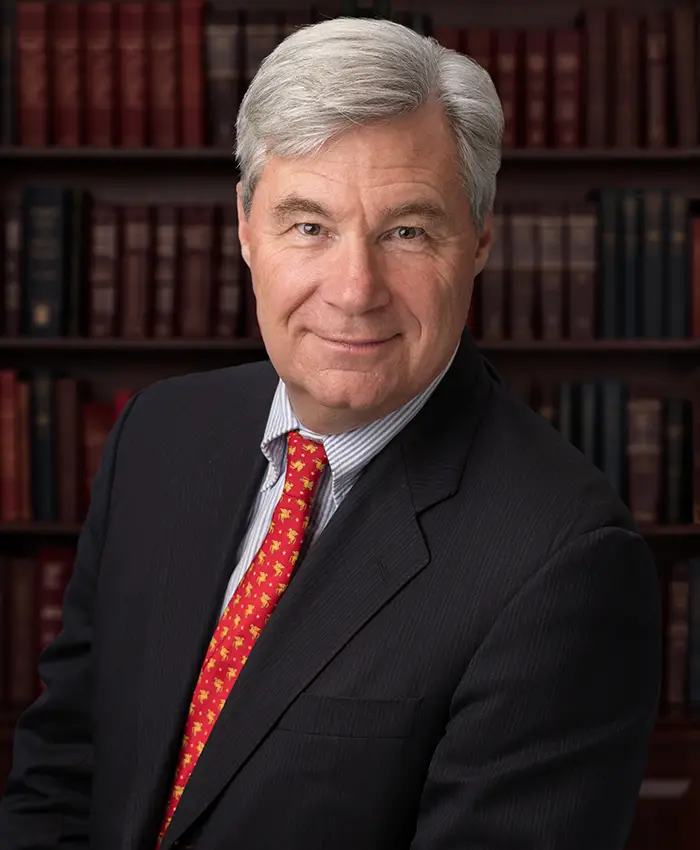
Now in his fourth term, Whitehouse is the ranking member of the Senate Environment and Public Works Committee and co-chairs the Caucus on International Narcotics Control. He also serves on the Judiciary, Budget and Finance committees. A former U.S. attorney for Rhode Island, he acted as the state’s attorney general from 1999 to 2003. Addressing environmental issues frequently on the Senate floor, he has advocated limiting carbon emissions and advancing “smart solutions to address climate change, position Rhode Island as a leader in the clean energy economy, clean up our oceans, and hold the fossil fuel industry accountable.” He co-founded the bipartisan Senate Oceans Caucus and helped pass the Save Our Seas 2.0 Act to address the threat to coastal ecosystems posed by plastic debris. In response to the opioid crisis, Whitehouse in 2016 sponsored the Comprehensive Addiction and Recovery Act. He’s supported gun control measures such as implementing universal background checks and banning assault weapons and large-capacity magazines.
Governor
Andy Beshear (Law class of ’03)
D-Kentucky
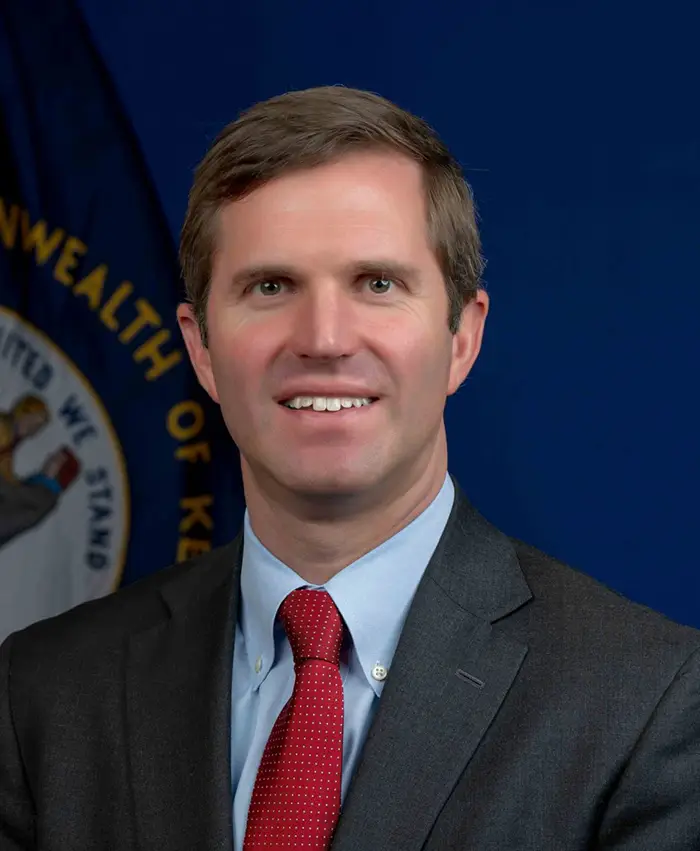
Beshear is the two-term Democratic governor in Kentucky, which is an otherwise solidly Republican state. He won the office in 2019 with around 5,000 votes more than his Republican opponent. Facing supermajorities in both the Kentucky House of Representatives and Senate, many of his legislative vetoes can be overridden. Despite his opposing positions to many of the state’s other elected officials, a poll conducted by Morning Consult shows that Beshear boasts a 65 percent approval rating among his constituents, making him the third-most popular governor in the nation and the nation’s most popular Democratic governor. In an interview with Politico, Beshear described himself as a pragmatic “pro-business, pro-union Democrat.” Beshear’s accomplishments in office include the creation of 68,000 jobs, billions in private sector investments, record-low unemployment, and expanded healthcare access. Other priorities include expanded support for public education, particularly universal pre-K. With his gubernatorial term ending in 2027, Beshear has been openly contemplating a 2028 presidential run.