8 books on American democracy by UVA authors
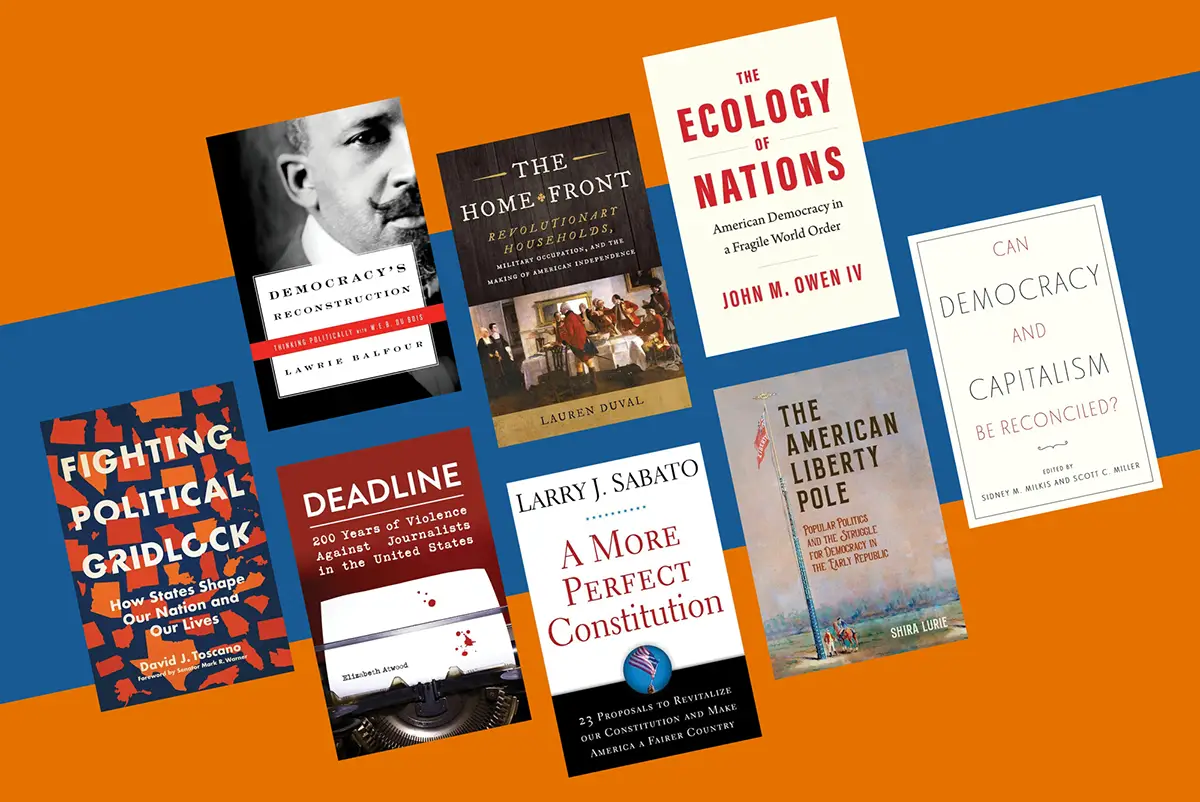
To commemorate the 250th birthday of the United States, Virginia Magazine selected eight works by UVA authors—including faculty, alumni and one postdoctoral fellow—that delve into the complexities of American democracy. They range from explorations of the earliest days of the republic to examinations of our modern state of political polarization.
The Home Front: Revolutionary Households, Military Occupation, and the Making of American Independence (2025) by Lauren Duval
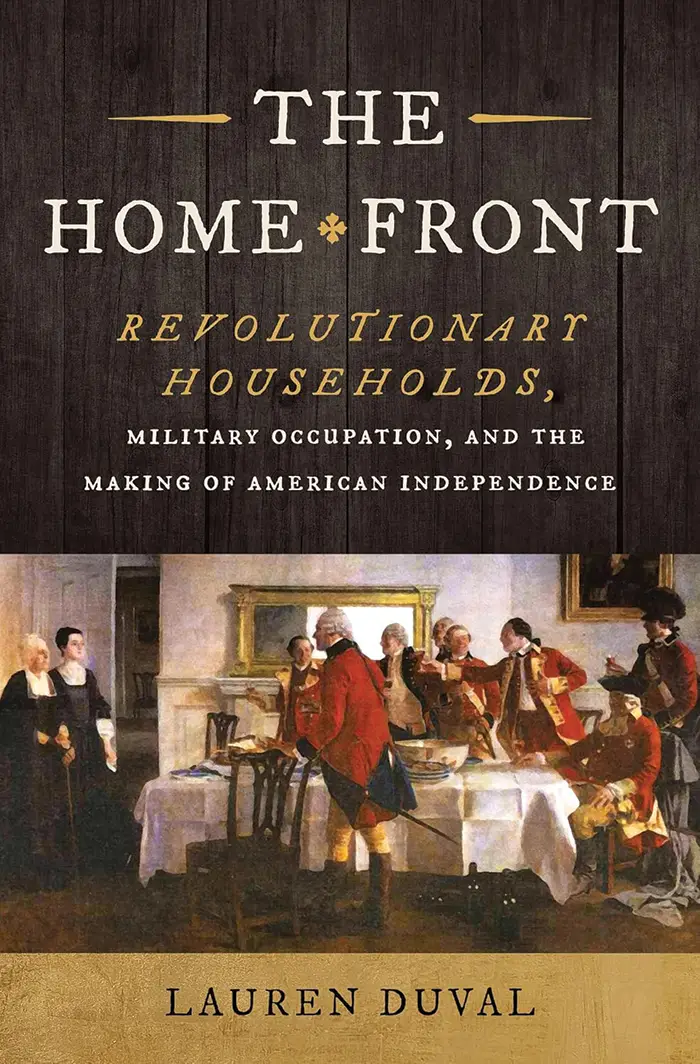
To contextualize the founding of American democracy, Duval, a postdoctoral fellow at UVA’s Karsh Institute of Democracy, explores the daily life of citizens on the precipice of independence. Instead of statehouses and battlefields, Duval looks inside the homes of ordinary civilians in urban centers such as New York, Philadelphia and Boston as they navigated scarcity, fear and uncertainty during the American Revolution. Some contended with British military occupation—think officers quartering themselves inside homes and enslaved people absconding to the British side of the conflict in pursuit of freedom. These disruptions to domestic life, Duval argues, shaped early understanding of citizenship and power in the nascent American Republic.
A More Perfect Constitution (2008) by Larry J. Sabato (Col class of ’74)
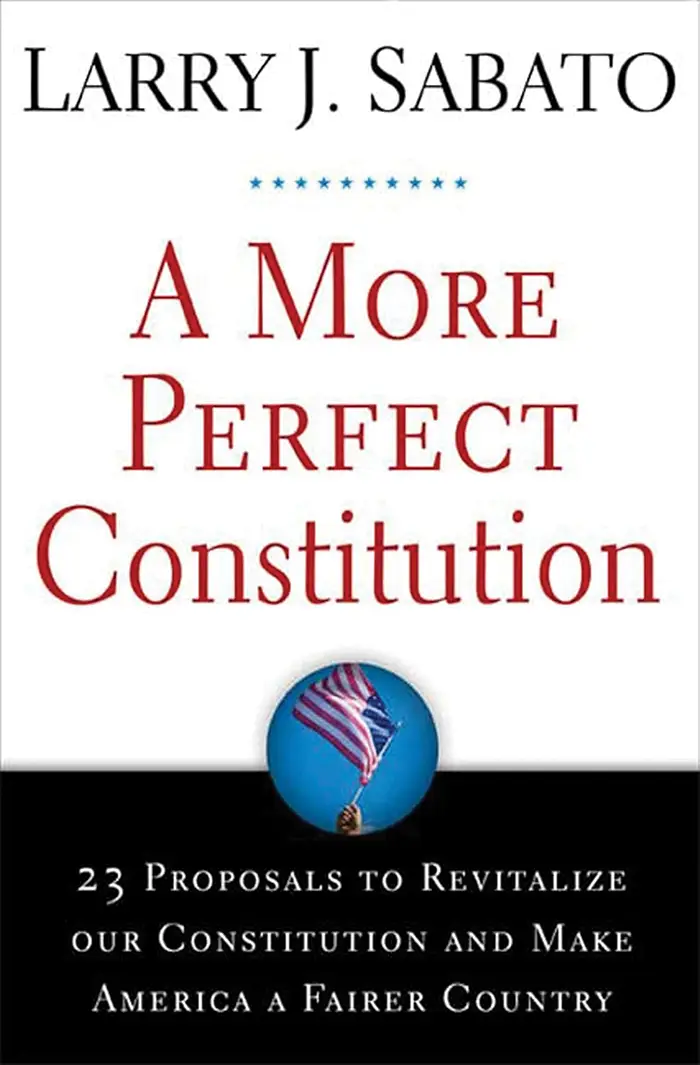
“It is not that the founders botched the original Constitution, except for the tragic enshrinement of slavery as a fundamental element of American political life,” writes political scientist Sabato. “The framers left it to us, and expected of us, that we would continue at regular intervals to perfect their work.” Sabato, founder and director of the University of Virginia Center for Politics, lays out a series of proposals for revising the document, beginning with expanding the Senate to be more representative and establishing congressional term limits. He continues with suggested improvements to the executive and judicial branches, a case for two years of universal national service, and a framework for a new Constitutional Convention.
Democracy’s Reconstruction: Thinking Politically With W.E.B. Du Bois (2011) by Lawrie Balfour
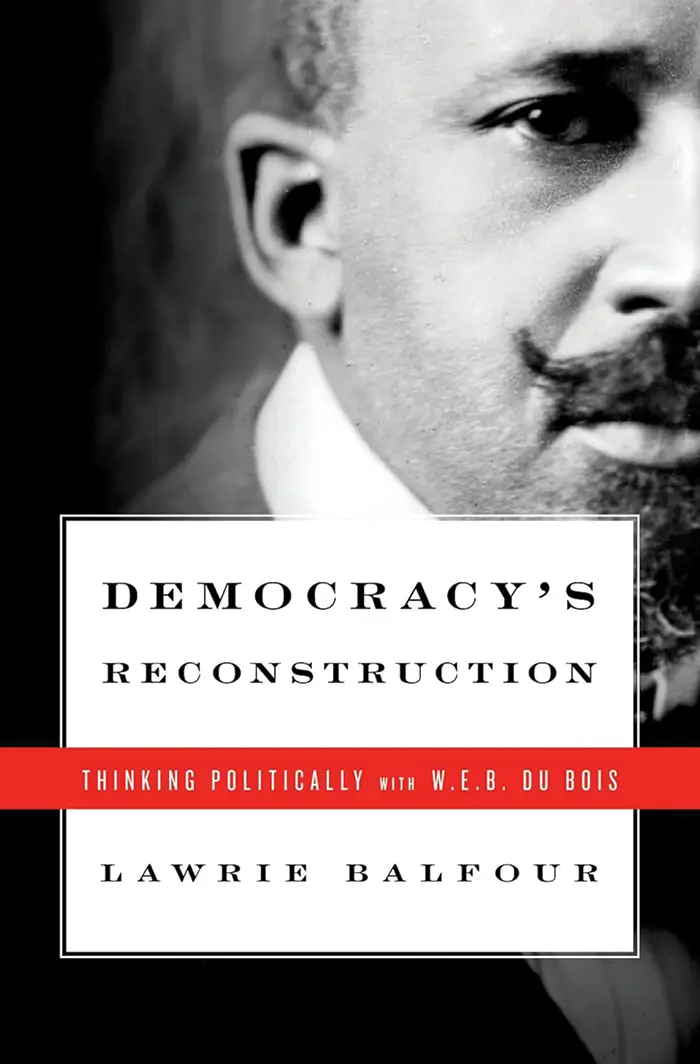
In Democracy’s Reconstruction, UVA politics professor Balfour tackles what she considers to be Americans’ collective failure to grapple with the long-term effects of slavery and racial subjugation. She addresses political theorists’ reluctance to treat these topics as central to the study of modern democratic life by analyzing the written works of Black scholar W.E.B. Du Bois. Balfour specifically highlights Du Bois’ concerns about how the legacy of slavery conflicted with the prospects of democracy—and applies that framework to discussions about racial inequalities that persist in the U.S. today. The book does not encourage readers to take Du Bois “unquestioningly or in all regards as an authority,” Balfour writes, but rather invites them to learn from and to argue with him.
Deadline: 200 Years of Violence Against Journalists in the United States (2025) by Elizabeth Atwood (Grad class of ’83)
In Deadline, journalism professor and veteran newspaper reporter Atwood contends with a foundational tenet of American democracy: freedom of the press. She provides a comprehensive history of fatal assaults against journalists in the U.S. from 1829 until today, organizing them into five categories: attacks against individuals; attacks against ideas; attacks in wars and other conflicts; attacks to stop reporting; and attacks against media institutions. Through these accounts, she highlights how intimidation, violence and censorship have all been used against the American press since the nation’s founding. She concludes the book by offering potential solutions—including stricter legislation to protect reporters and better safety training—in the hopes of safeguarding the free press and, in turn, strengthening U.S. democracy.
Can Democracy and Capitalism Be Reconciled? (2025) edited by Sidney M. Milkis and Scott C. Miller (Grad class of ’15, class of ’18)
“In our experience as professors at the University of Virginia, young people largely believe that democracy and capitalism are structurally incompatible,” write Milkis, a politics professor, and Miller, a Darden professor and director of UVA’s Democracy and Capitalism Lab. “Many students at elite business schools also believe this to be the case.” To dig into the fundamental question of whether democracy and capitalism can and should coexist, Milkis and Miller compiled 24 essays from economists, political scientists, lawyers and professors. As they contend with topics including climate change and inequality, the contributors highlight how fragile the relationship between capitalism and democracy really is—and propose changes that can help strengthen it.
The American Liberty Pole: Popular Politics and the Struggle for Democracy in the Early Republic (2023) by Shira Lurie (Grad class of ’19)
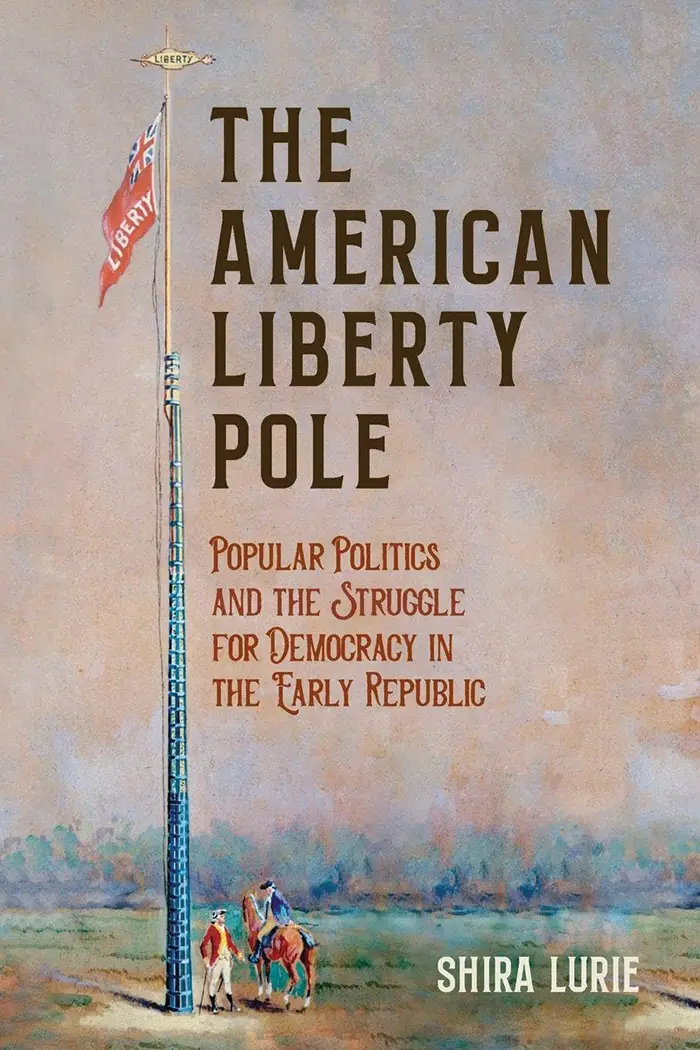
How did early Americans adjust to their new role as citizens rather than as subjects? Lurie, a historian of the early United States who holds a doctorate from UVA, seeks to answer that question in The American Liberty Pole. The book’s title refers to the tall wooden poles affixed with flags and signs that became a symbol of debates about political expression and participation. Liberty poles first appeared as totems of resistance to British imperial policies, and in the 1790s, Republican citizens revived them in protest of the Washington and Adams administrations. The American Liberty Pole underscores how American political culture has been marked by disagreement and resistance from the very beginning.
Fighting Political Gridlock: How States Shape Our Nation and Our Lives (2021) by David J. Toscano (Law class of ’86))
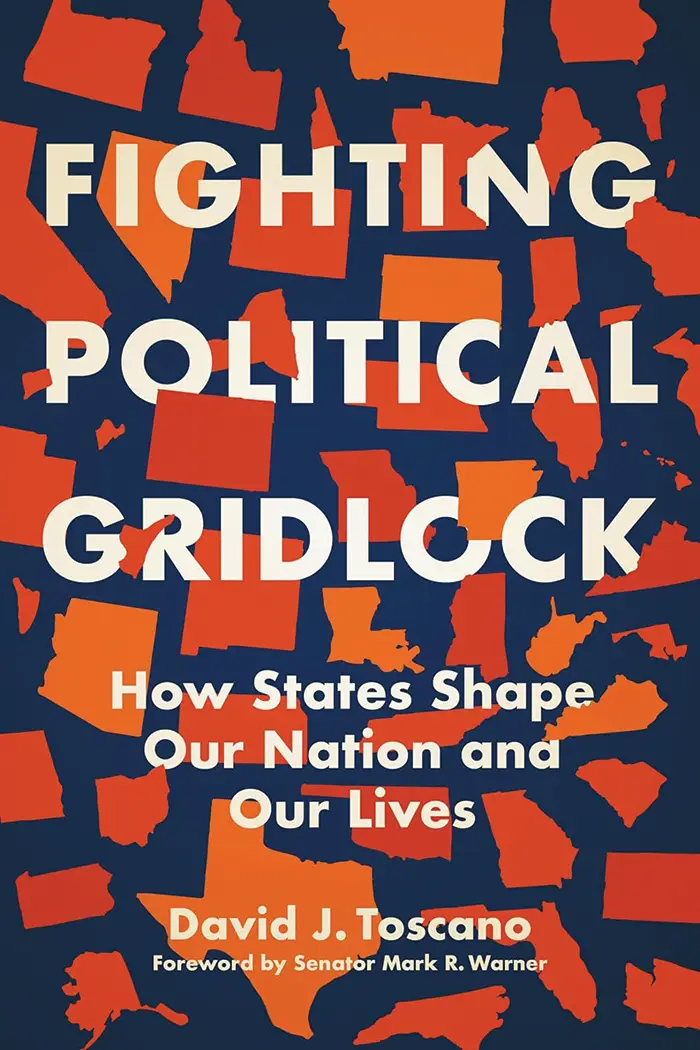
In our modern era of political polarization and gridlock in Washington, state governments have become increasingly more influential in shaping American society, according to Toscano, a former member of the Virginia House of Delegates and a former Charlottesville mayor. He offers a detailed overview of how state governments function, beginning with an analysis of state responses to COVID and covering topics including crime, healthcare, abortion and immigration. Fighting Political Gridlock concludes with a call to action and suggestions for how citizens can get more politically involved in their communities. “The future of our democratic experiment depends more on citizen engagement than perhaps any policy initiative adopted at any level of government,” Toscano writes. “And it is here where we are in the fight of our lives.”
The Ecology of Nations: American Democracy in a Fragile World Order (2023) by John M. Owen IV
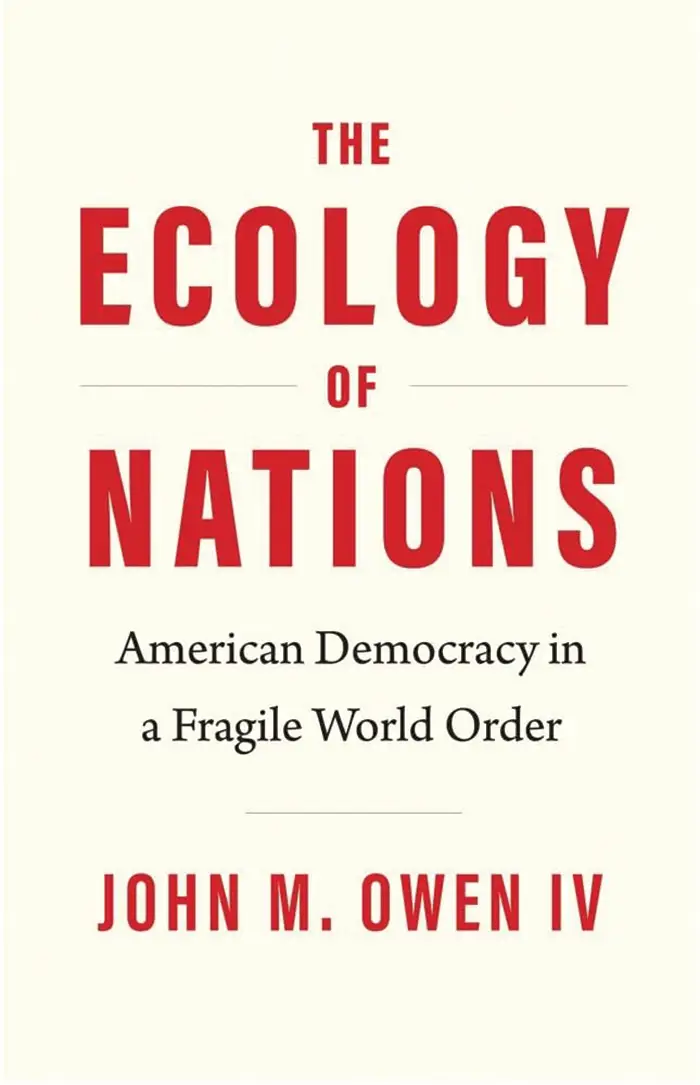
“For some time, it has been clear that democracy is in trouble,” writes Owen, a UVA politics professor, in The Ecology of Nations. To investigate the causes of that trouble, he takes a biological approach by viewing the global landscape of democracies and autocracies as a delicate ecosystem. Democracies, he says, are losing to autocracies. The success of American democracy, he argues, hinges not on internal factors like economic structure or the Supreme Court but instead on the health and welfare of other democracies worldwide. “Many Americans tend to think strictly nationally about democracy,” Owen writes. “But much of what ails American democracy is coming at it from without.”