Business expansion: McIntire goes to three years
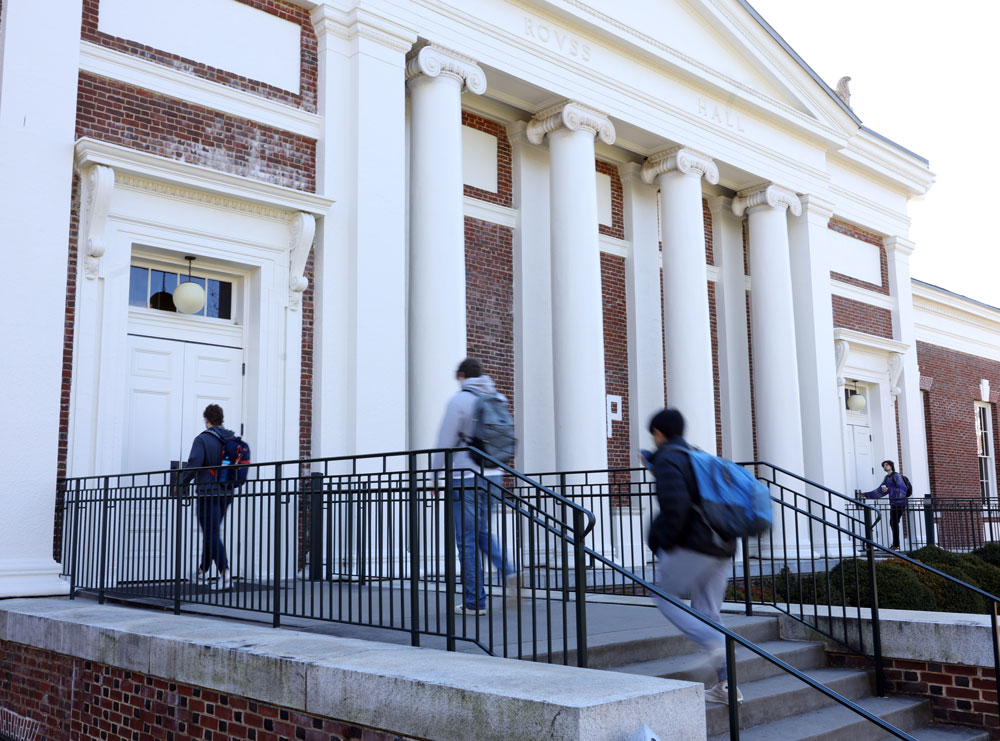
Moving beyond its distinction as one of only a handful of two-year elite undergraduate business programs, the McIntire School of Commerce will expand its curriculum to three years beginning in the fall of 2024.
The change follows two years of study, a much longer buildup of market pressures, and similar moves by other two-year outliers, most recently the University of California, Berkeley, which will go from two to four years in the fall.
The primary—but not only—driver of the shift is the recruiting cycle. For some time, corporate scouts have been targeting second-year students for career-track internships before McIntire has admitted any of them. That leaves would-be business majors without much in the way of business instruction beyond introductory accounting, and none of the advising and career support that make up much of McIntire’s value proposition.
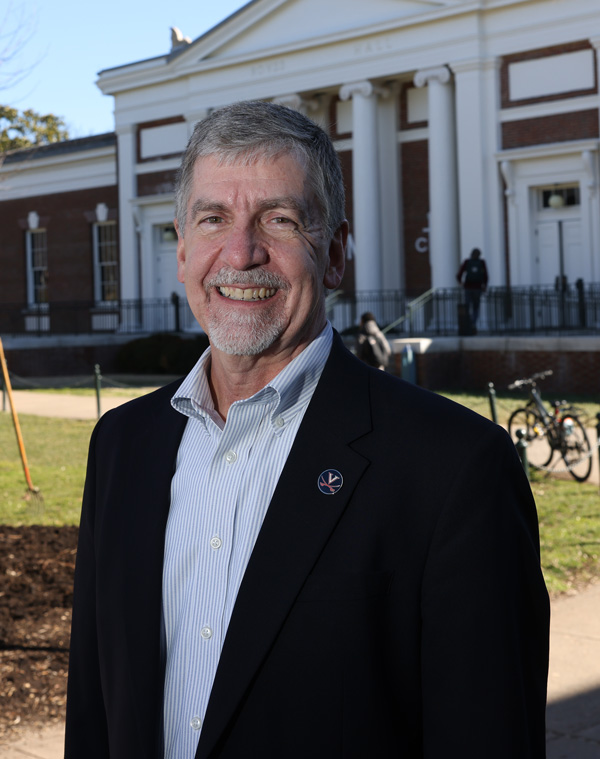
“The recruiting cycle happens sooner now than it ever has, and it just keeps being sooner and sooner,” says Associate Professor Roger D. Martin, who took an early lead in McIntire’s wholesale curriculum evaluation and who now serves as the director of the school’s undergraduate program. It’s hard to guide students through the career process, he says, “if they’re not in your school yet.”
Opening the school to students a year earlier aims to remedy that, as well as remove any disadvantage UVA candidates may face going up against peers enrolled in four-year programs, the pedagogical norm. Says McIntire Dean Nicole Thorne Jenkins, “Because there’s been this shift in the marketplace, we are shifting so that we can continue to prepare our students to receive the amazing outcomes that they’ve had historically.”
The three-year schedule is designed to make McIntire more competitive in another respect as well: college admissions. It gives UVA a better line on high school seniors intent on studying business but who bypass Virginia for programs that don’t make them wait two years to do it.
The new three-year curriculum is designed to preserve the liberal arts component that has long undergirded McIntire’s reputation for providing a well-rounded education. The key is that the Comm School is keeping its business course requirement at 48 hours, out of UVA’s 120-hour graduation requirements. The difference is that those course hours will now be spread across six semesters instead of four. That should allow business students more flexibility in taking classes outside McIntire throughout their four years.
“The recruiting cycle happens sooner now than it ever has,” says Roger D. Martin, who helped design the new curriculum. It’s hard to advise students “if they’re not in your school yet.”
That may create moreopportunities for a non-business second major. It’s also expected to facilitate study abroad, which is a challenge under the current curriculum and a common lament among graduates. Just about half of McIntire alumni from the past 12 years regret not having studied abroad, according to Virginia Magazine’s recent Vox Alumni survey.
The new curriculum moves up the application cycle and eases the load of prerequisites for admission. Interested UVA undergraduates will apply to McIntire at the end of first year rather than in January of second.
Currently, aspirants have had to complete a stout set of coursework their first two years to qualify for McIntire, including a full year of introductory accounting and a full year of economics, plus semesters in calculus, statistics and a general business overview class. Going forward, the Comm prerequisites will essentially boil down to that last one, Foundations of Commerce, and one semester of intro econ.
The shorter and lighter preliminary regimen gives McIntire’s admissions staff less to go on in making acceptances. It also gives Comm candidates less time to explore other academic avenues before committing to a business education. On the other hand, it should provide substantial relief to the students who don’t get into McIntire—the 40 percent of applicants who packed their schedules with all those requirements and then had to pivot their academic direction halfway through college.
The curricular expansion will increase McIntire’s population by 50 percent to 1,200 students. But because the instruction will be spread over three years instead of two, the school will continue to maintain 400 students per class year. As a result, leaders don’t anticipate needing to increase faculty significantly. The school will, however, add advising and other support staff, now that it will be taking hundreds of second-years under its wing.
Almost on cue, a gleaming new 100,000-square-foot facilities expansion is expected to open circa spring 2025. The new Shumway Hall and renovated Cobb Hall, connected to the school’s existing Rouss and Robertson halls via an underground corridor, will add classrooms, collaboration labs, and a two-story academic advising and career development center. The $139 million construction project and the curriculum redesign happened independently of one another, according to Jenkins and Martin.
“The building wasn’t motivated by the chance that this curriculum change “I totally believe in this. I think it’s the right thing.”