A hidden cost of shedding pounds
UVA researchers warn that GLP-1 drugs may reduce beneficial muscle mass
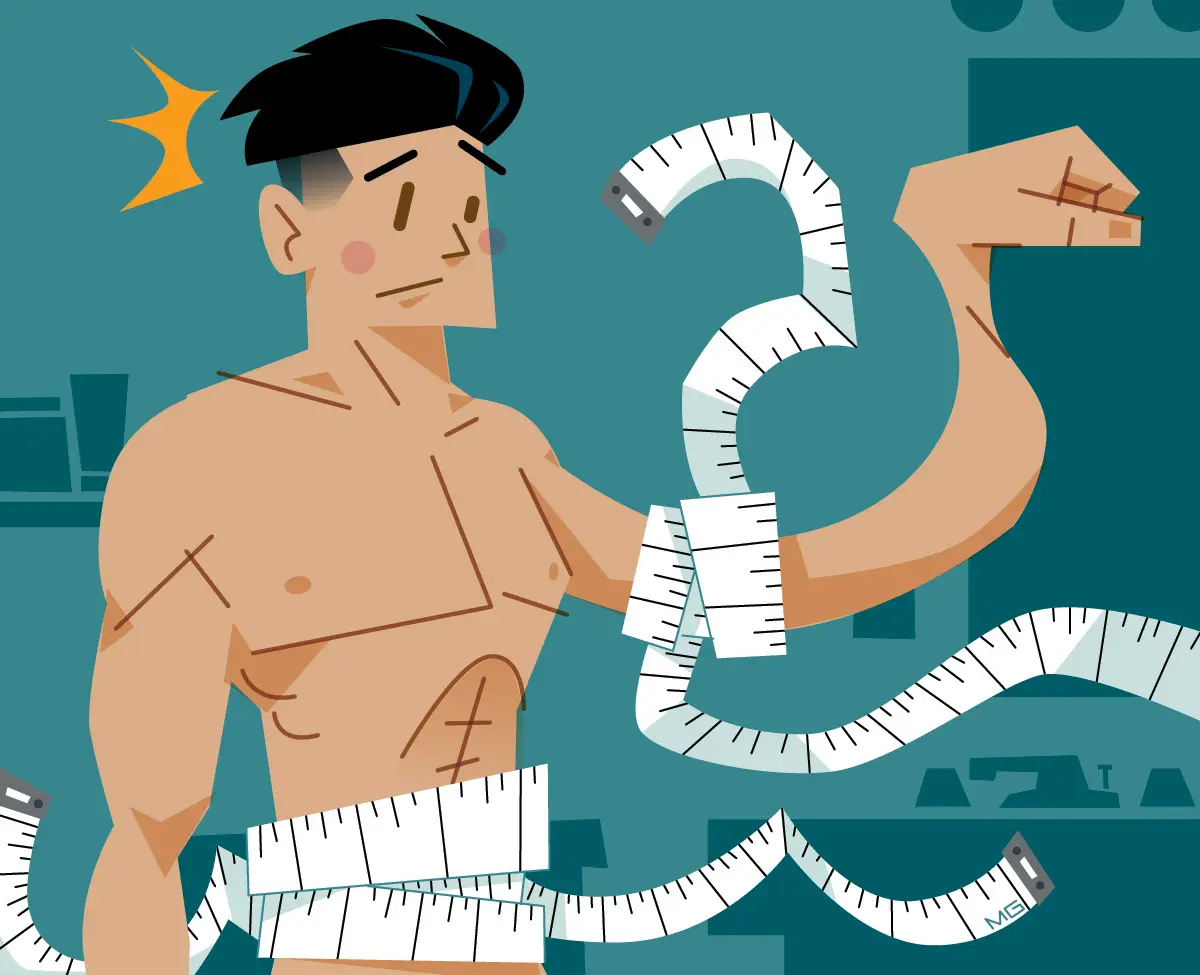
They’ve been called the wonder drugs of our time. Weight-loss injections such as Ozempic, Wegovy and Zepbound have revolutionized the way physicians treat obesity and diabetes.
But a new study by UVA researchers finds that while the medications significantly reduce weight and blood-glucose levels, they can also cause patients to lose muscle mass critical to longevity and long-term cardiovascular health.
Zhenqi Liu, an endocrinologist at UVA Health, said he wanted to better understand this persistent side effect. So he teamed up with exercise physiologist Siddhartha Angadi at UVA’s School of Education and Human Development to review a decade’s worth of clinical studies that measured the effects of GLP-1 use on weight, body composition and overall fitness. Nathan Weeldreyer (Educ class of ’25), now a postdoc at the University of Alberta, also contributed to the analysis.
The researchers examined how the drugs affected patients’ cardiorespiratory fitness—how strongly the heart performs, how efficiently the lungs take in oxygen and how effectively muscles use that oxygen.
Their findings were striking, they said. Despite GLP-1 medications’ ability to lower weight and blood sugar, and improve certain markers of how well the heart works, there was no evidence the drugs were boosting patients’ cardiorespiratory fitness. That’s one of the strongest health predictors of how long and how well a person is likely to live, according to the peer-reviewed paper published in The Journal of Clinical Endocrinology & Metabolism.
That is likely due to muscle loss. The review found that 25 percent to 40 percent of the weight people shed while taking GLP-1 medications comes from fat-free mass, or everything in the body that is not fat, including muscle.
This raises a particular concern for patients with obesity, who often begin treatment with lower muscle mass, and for older adults, who naturally lose muscle at a faster rate than younger people.
“One of the things that muscle does, and it’s very important, is allow for what we call independent living,” Angadi said. “Part of why we need it is to maintain our health span—how long you can live by yourself without needing external assistance.”
Muscle loss is also a serious issue for those who stop taking the drugs and regain weight, the researchers said.
“There is a high tendency to gain the fat weight back, not the muscle weight back,” Liu said. “At the end of the day, patients have more fat and less muscle compared to when they started.”
Because GLP-1 medications are still relatively new, Angadi noted that more studies are needed to understand how the loss of fat-free mass affects body composition, strength and functioning. A new generation of drugs is under development in hopes of preserving lean muscle mass, but those therapies remain years away. “We don’t know how that is going to go yet,” he said.
In the meantime, exercise and protein intake remain essential for anyone taking semaglutide, tirzepatide or similar medications, the researchers said.
“The one thing I would say, point-blank, is that exercise remains nonnegotiable,” Angadi said. Patients should aim for at least 30 minutes of aerobic activity, such as brisk walking, five days a week, along with strength training two to three times weekly on nonconsecutive days. For protein, they should consume 0.54 grams to 0.73 grams per pound of body weight, or roughly 76 grams to 102 grams daily for someone who weighs 140 pounds. Protein powders and bars can help patients meet those targets.
“Basically,” Angadi said, “it’s far more important to be fit than to be skinny.”