5 books on personal and public health by UVA authors
From individualized guides to sleep and nutrition to treatises on health care, these works explore some of the ways a person or community can be healthy.
The Sleep Solution: Why Your Sleep Is Broken and How to Fix It (2017) by W. Chris Winter (Col class of ’95, Res class of ’00)
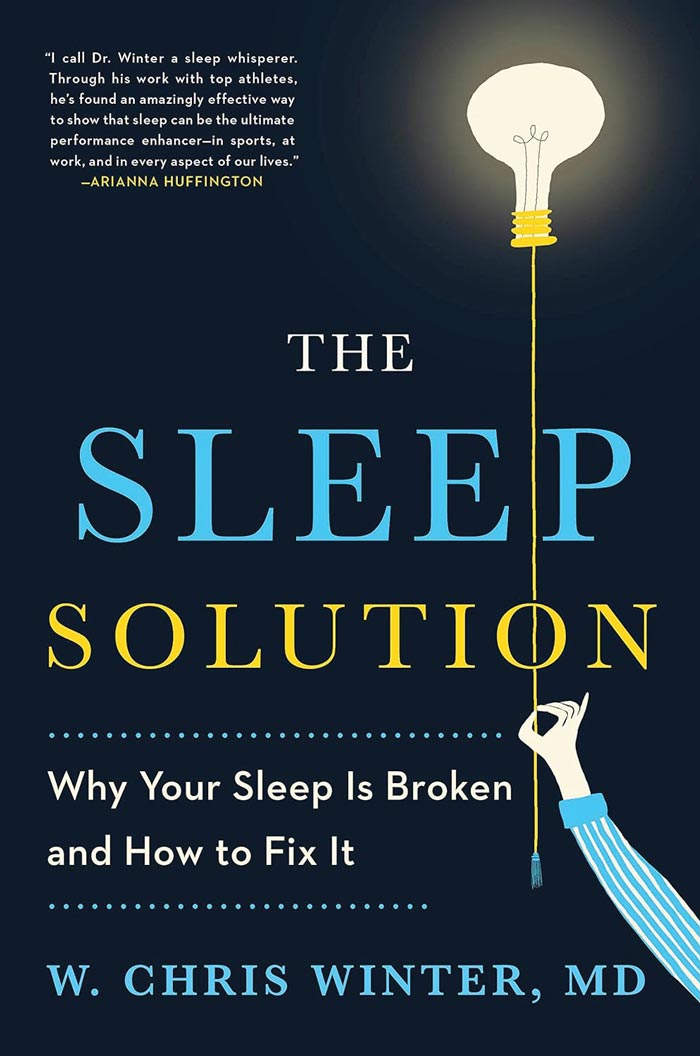
The Sleep Solution isn’t a reference book, writes author Chris Winter, but rather a “complete process for understanding and overhauling both your sleep and the way you think about sleep.” He draws on nearly 25 years of experience in neurology and sleep medicine to offer readers a deeper understanding of the many factors affecting their sleep, including circadian rhythms, insomnia and sleeping pills. Peppered with lighthearted footnotes and anecdotes, The Sleep Solution helps readers see sleep as a “powerful driver of human behavior” and establish personalized schedules and habits.
Veggie Smarts: A Doctor and Farmer Grows and Savors Eight Families of Vegetables (2025) by Michael T. Compton (Med class of ’97)

“We all know that we should eat more vegetables,” writes psychiatrist Michael T. Compton in Veggie Smarts. “It’s one of the most doggedly nagging dietary concerns, and, relatedly, health concerns, of so many of us.” A farmer and self-proclaimed “vegetable snob,” he focuses on eight distinct families of plants, including brassicas (cruciferous veggies like broccoli and Brussels sprouts) and nightshades (“fruit vegetables” like tomatoes and peppers). The goal? To help readers enhance dietary selections “for a highly diversified, mostly plant-based way of eating that promotes physical and mental health.” Along the way, he shares scientific facts, like why onions make us cry and what’s really going into “plant-based” meat alternatives.
The Case for Universal Health Care (2019) by David Colton (Educ class of ’97)

According to retired health care administrator and professor David Colton, universal health care “has been characterized as a communistic overreach of government that leads to socialized medicine.” He seeks to change that narrative by analyzing systems in other developed nations like France and Japan and laying out a proposal for the U.S. He describes how an American system could be organized, what services could be provided, and how it could be funded. In addition to an economic case for universal coverage, he also makes ethical and moral ones based on the philosophy of the common good.
Bulletproofing the Psyche: Preventing Mental Health Problems in Our Military and Veterans (2018) by Kate Hendricks Thomas (Col class of ’02) and David L. Albright
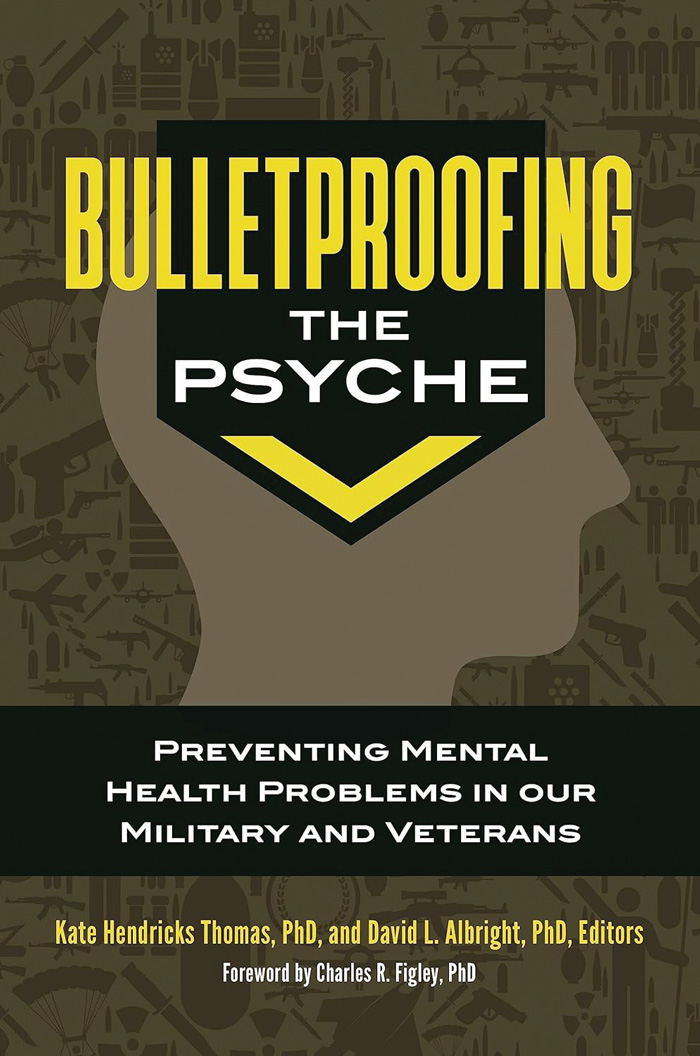
This anthology argues that “bulletproofing the psyche”—that is, providing psychological resiliency skills training—improves mental health for military personnel and veterans. Professors and veterans David L. Albright and the late Kate Hendricks Thomas co-edited the book, combining stories from fellow veterans with neuroscientific and psychological research. They highlight the importance of somatic protocols, a method that seeks to rewire the brain and nervous system after trauma. “We hope this book contributes to the larger community efforts that support healing,” write Albright and Thomas, who died in 2022. “We also hope it motivates a new emphasis on mental fitness training.”
Caring in Context: An Ethnography of Cancer Nursing in India (2024) by Virginia LeBaron (Nurs class of ’96)
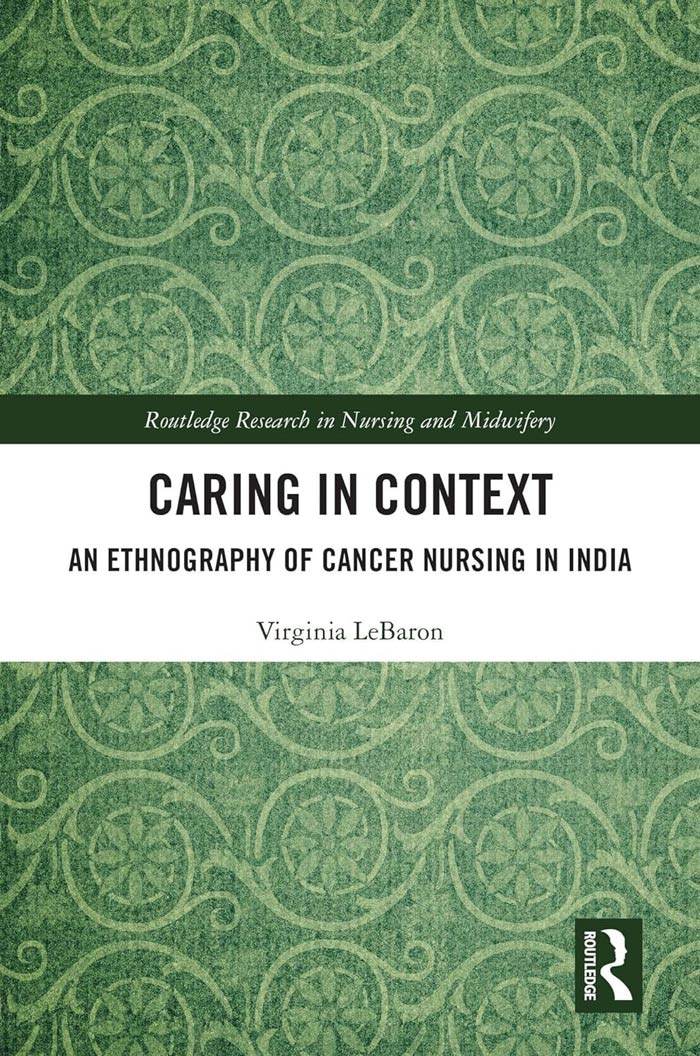
Cancer nurse and UVA nursing professor Virginia LeBaron details the nine months she spent at an Indian hospital observing how advanced cancer is managed when resources like pain medications are unavailable. The goal of the resulting book, she writes, is to “make the reality of nursing in a country such as India personal and real” and to highlight “how most of the world experiences cancer.” LeBaron challenges the reader to think more deeply about health care inequity across the world and ask, “How could things be different?”