Summer reading recommendations from around UVA
We asked the people who keep the university running—from well-known figures to folks working behind the scenes—to give their favorite summer reading recommendations. We heard from professors, administrators, library managers and a beloved dining hall staffer. Here are their picks.
Victor Luftig, English professor and co-director of the Center for the Liberal Arts
Ulysses by James Joyce (1922)
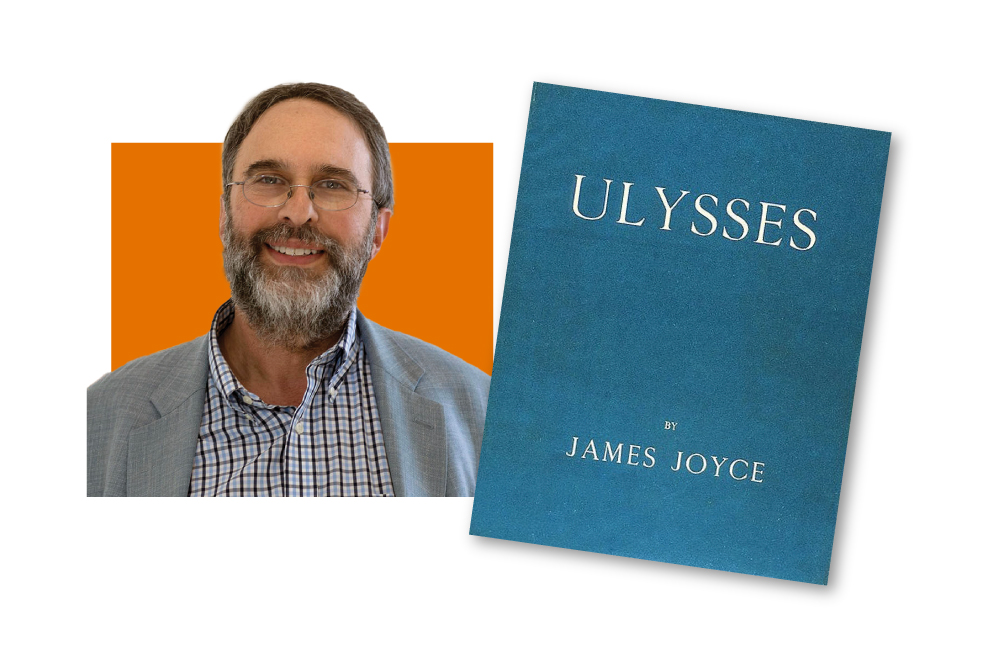
“How about a very funny novel set in mid-June, featuring hard drinking, adultery and raucous banter?” says Professor Victor Luftig, who recommends resources such as audiobooks, deep-dive podcasts and online study guides to help readers through the lengthy Irish modernist novel. “You’ll find wisdom, wit and words you can use for all kinds of occasions. It’s a real bucket-list book, and you’d go into the fall knowing you’d given yourself something special,” he says. “Just don’t be discouraged by the third (notoriously difficult and weird) chapter. Things lighten up wonderfully in Chapter 4.”
Christa Acampora, dean of the College and Graduate School of Arts and Sciences
James by Percival Everett (2024) together with Adventures of Huckleberry Finn by Mark Twain (1884)
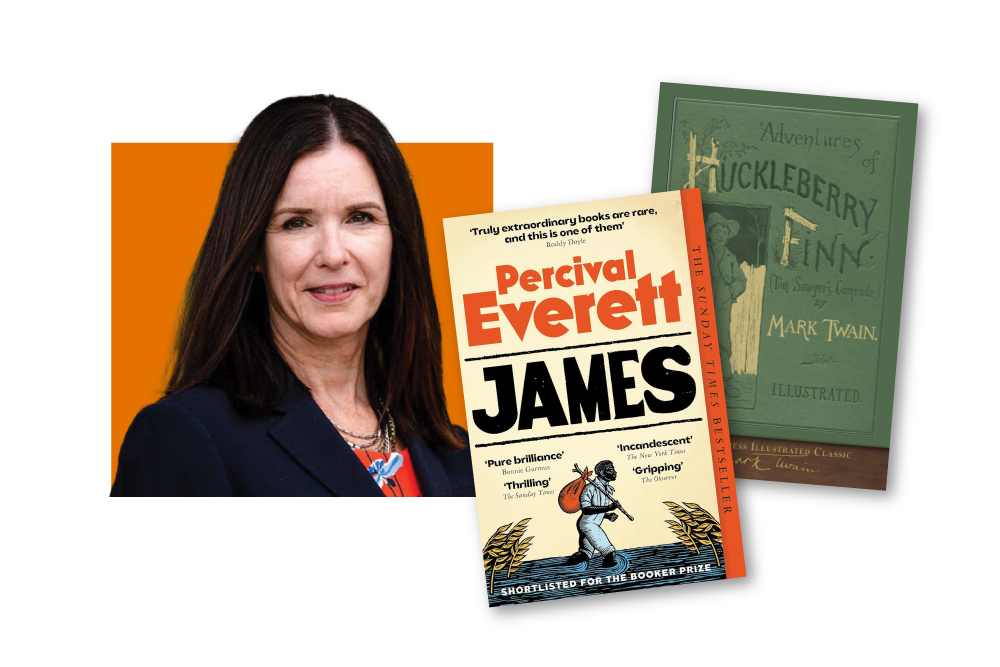
Christa Acampora, who took the helm of UVA’s largest school in 2022, recommends Percival Everett’s latest novel: a reimagining of Mark Twain’s classic Adventures of Huckleberry Finn. In this telling, however, readers get the perspective of Huck’s formerly enslaved friend Jim. In an interview with PBS, Everett said he felt compelled to retell the story because of Twain’s “problematic” and stereotypical depiction of the character: “He could not occupy the psychic and cultural space that was occupied by Jim.” The retelling from this new point of view, Acampora says, “provides a gripping perspective.”
John D’earth, longtime director of jazz performance
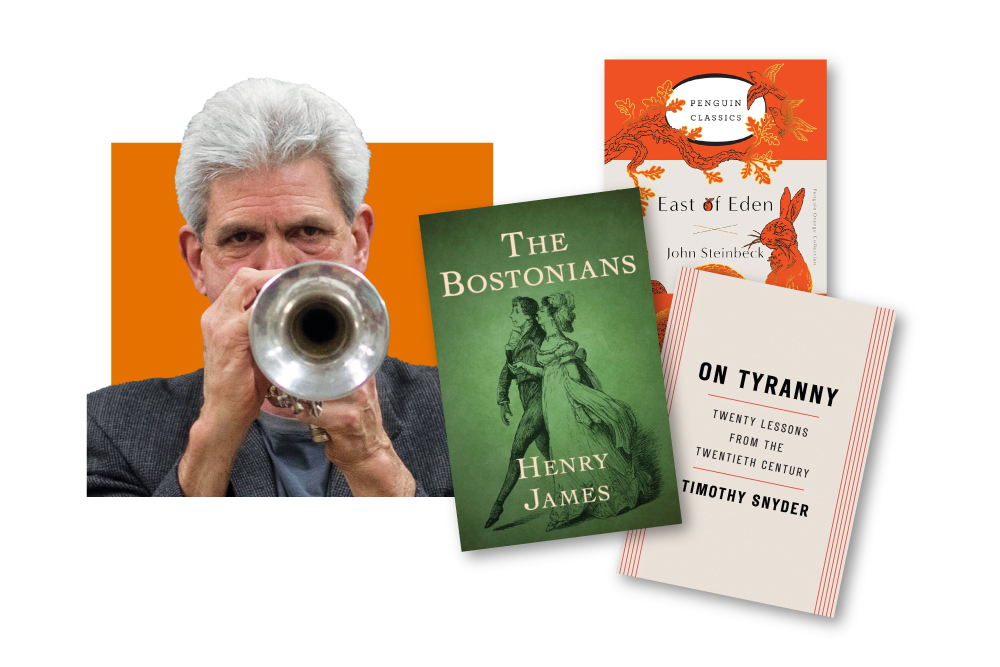
Trumpeter John D’earth, who stepped down this year after more than 40 years teaching in UVA’s music department, says “there are so many indispensable and wonderful books” that he decided to recommend three.
The Bostonians by Henry James (1886)
“This is the story of a young Mississippi lawyer and Confederate veteran visiting his cousin in Boston, just after the Civil War, and encountering the full blast of what is to him a preposterous radical feminism,” D’earth says. “The Bostonians mirrors our present-day societal arguments and self-deluding cults of belief. The psychological acuity with which James reveals private and/or unconscious motivations is mesmerizing, profound and, often, extremely funny.”
East of Eden by John Steinbeck (1952)
John Steinbeck’s multigenerational saga mines the biblical story of Cain and Abel for clues to its meaning, D’earth says. “I read it over and over at one point. It seems to contain the formula, the crystal, by which families become themselves, turn into themselves. As I read the book, I felt that I was saving money on psychoanalysis!”
On Tyranny by Timothy Snyder (2017)
Historian Timothy Snyder’s call to arms and guide to resistance is, according to D’earth, “a direct, unequivocal appeal for individual conscience and consciousness in the face of demagoguery, repression and propaganda.” The book outlines how “the descent into tyranny is always recognizable, always the same, and must be met with intention on the part of citizens each step of the way,” D’earth says.
Kenyon Bonner, vice president and chief student affairs officer
Atlas of the Heart by Brené Brown (2021)
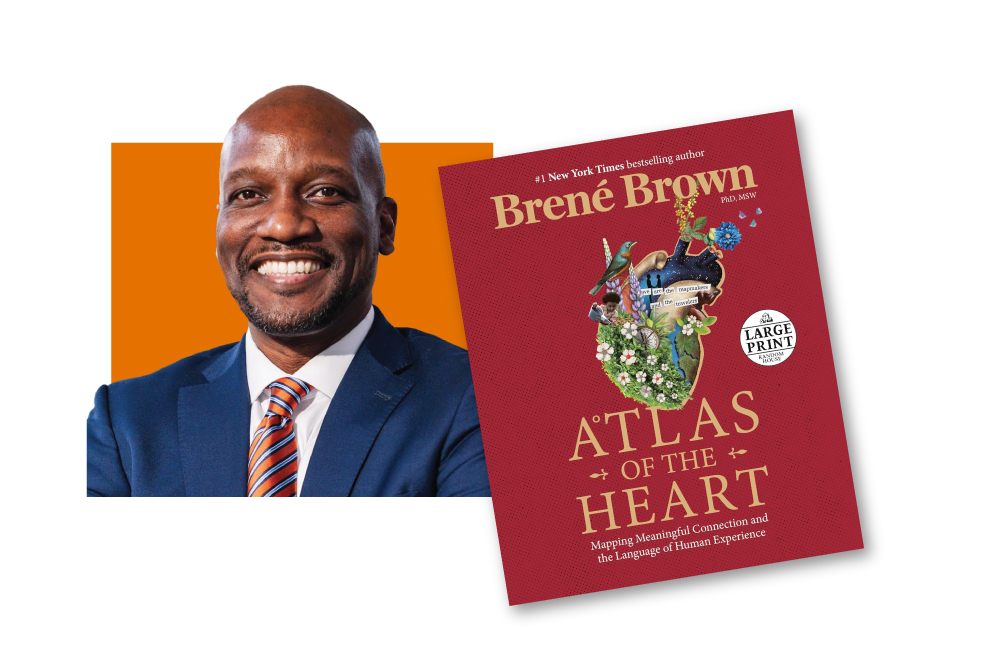
UVA’s top student affairs administrator went with social psychology research professor Brené Brown’s illustrated self-help book, subtitled Mapping Meaningful Connection and the Language of Human Experience. It explores 87 distinct emotions and offers tools for expressing them. “I enjoyed learning more about understanding human emotions and the language we use or do not use to describe our emotions to help us better understand ourselves and inform healthier relationships,” Bonner says.
Stanley J. Stepanic (Grad class of ’07, class of ’12), assistant professor of Slavic languages and literatures
Blade & Bastard series written by Kumo Kagyu, illustrated by Makoto Fugetsu and so-bin (2024–present)
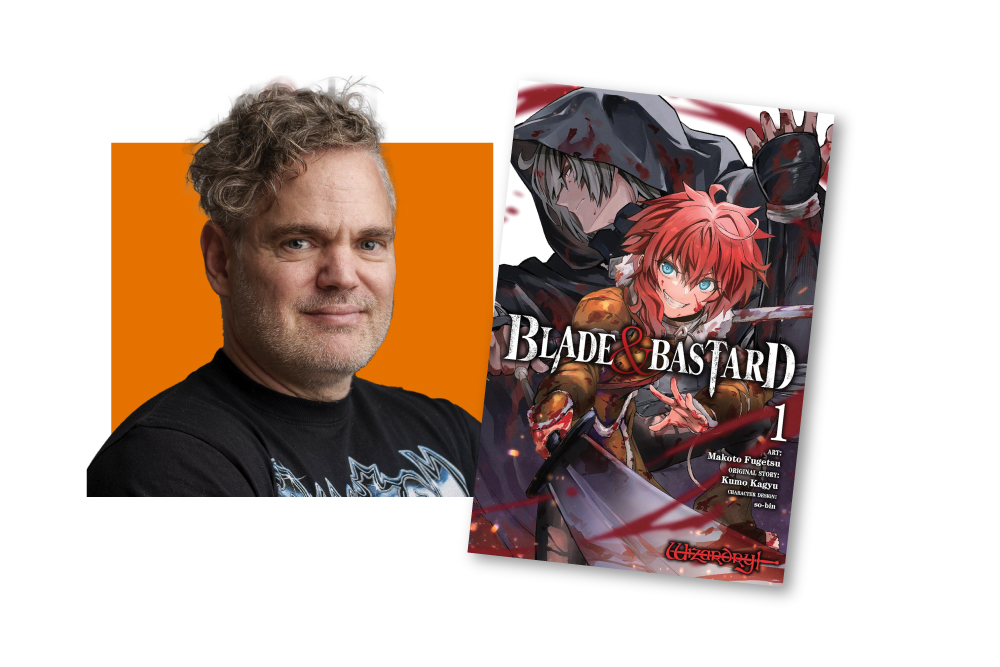
Professor Stanley Stepanic is best known for his popular Dracula course, but his recommendation for this summer is a Japanese manga series based on the popular role-playing video game series Wizardry. Blade & Bastard is “a dark fantasy series,” Stepanic says, “not as heavy, at least yet, on the gore and violence of [the related series] Goblin Slayer and others.”
Ellen Ramsey (Educ class of ’00), project manager at UVA Library system
Beautyland by Marie-Helene Bertino (2024)
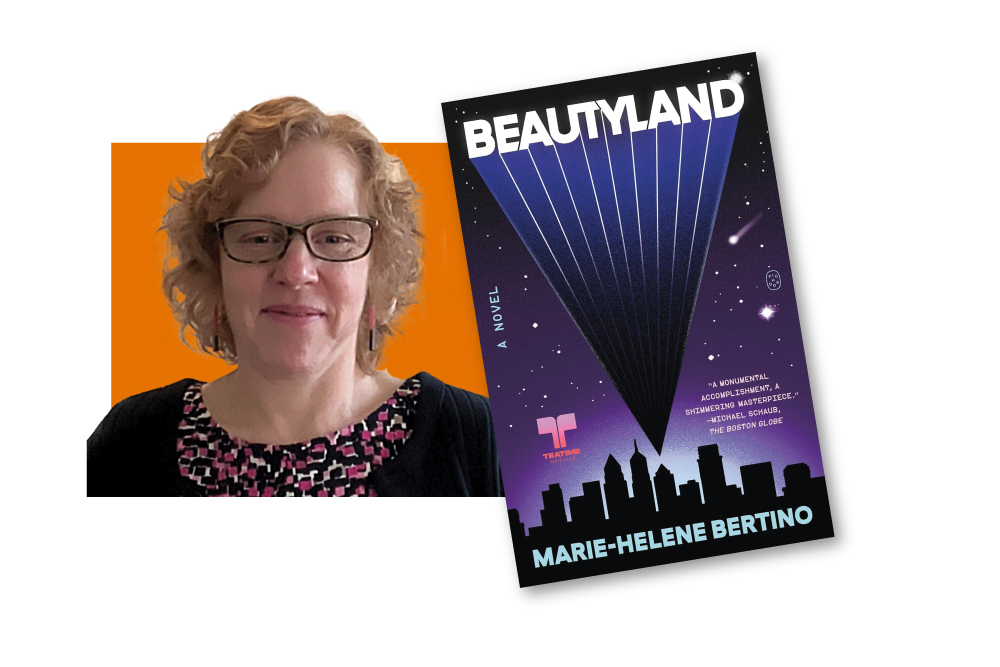
When asked for her recommendation, UVA Library Project Manager Ellen Ramsey immediately chose Beautyland, a literary sci-fi novel. “It’s incredibly well written,” says Ramsey, who has worked in various UVA departments for nearly 30 years. “It’s set in Philly in the 1970s and is about a woman of color who has an unusual backstory. And that’s all I’ll tell you.”
Kathy McGruder, longtime Newcomb dining hall employee and UVA legend
The Amazing Adventures of Kavalier & Clay by Michael Chabon (2000)
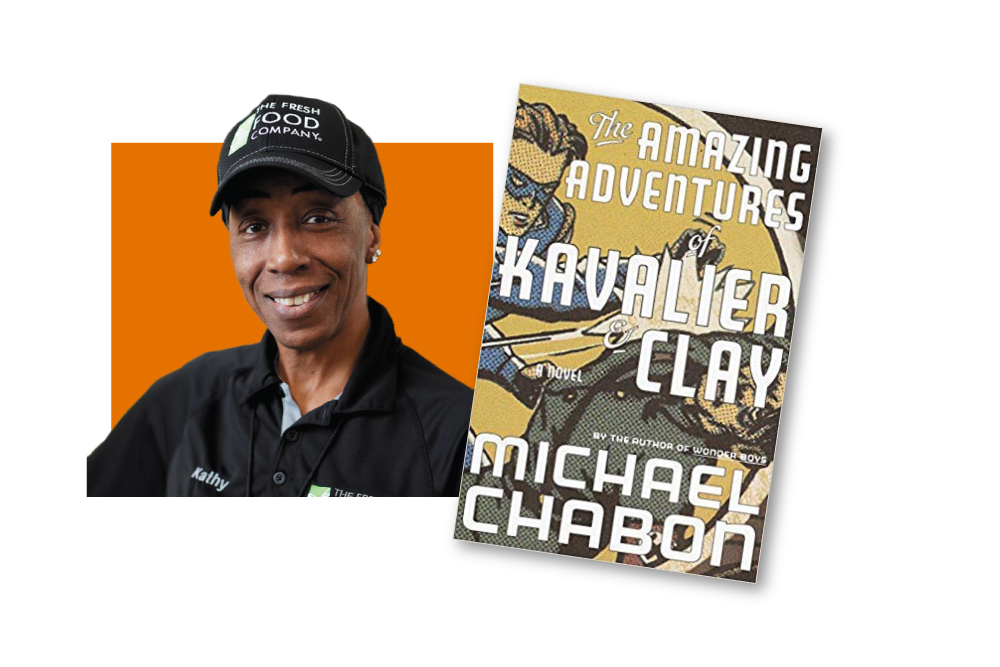
Known as “Ms. Kathy,” McGruder has spent nearly 25 years greeting students—her “babies”—every morning in Newcomb Hall. She still remembers one who brought her a book he thought she’d enjoy: a historical novel following the lives of two Jewish cousins shortly before World War II. “It’s good for motivation if you’re in a rut,” McGruder says of The Amazing Adventures of Kavalier & Clay. “These characters were getting their butts kicked. They were poor, poor, poor. But they end up helping a lot of people and killing it.” She adds: “That book is on fire.”
Ammon Shepherd, manager of the Makerspace at Shannon Library
The Anxious Generation by Jonathan Haidt (2024)
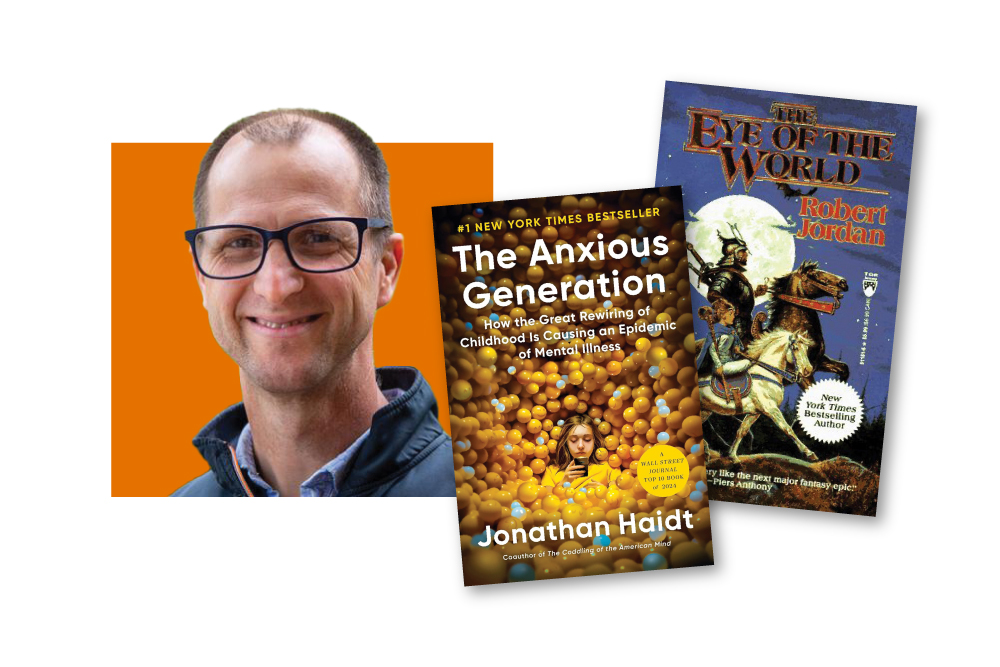
The manager of UVA’s Makerspace—where students and community members can design and create electronics, crafts and textile projects—suggests social psychologist and former UVA professor Jonathan Haidt’s The Anxious Generation: How the Great Rewiring of Childhood Is Causing an Epidemic of Mental Illness. “I recommend this to parents and educators, definitely, but also society at large,” Shepherd says.
The Wheel of Time series by Robert Jordan, with co-author Brandon Sanderson on the final three books (1990–2013)
For a more lighthearted read, Shepherd recommends The Wheel of Time, the “epic, epic fantasy series” that inspired a popular Amazon Prime video series. “It’s along the lines of Game of Thrones but not as graphic,” he says. “It’s just pure fun.”